中国电车拿下65%订单:背后,一整条产业链正在涌入罗勇
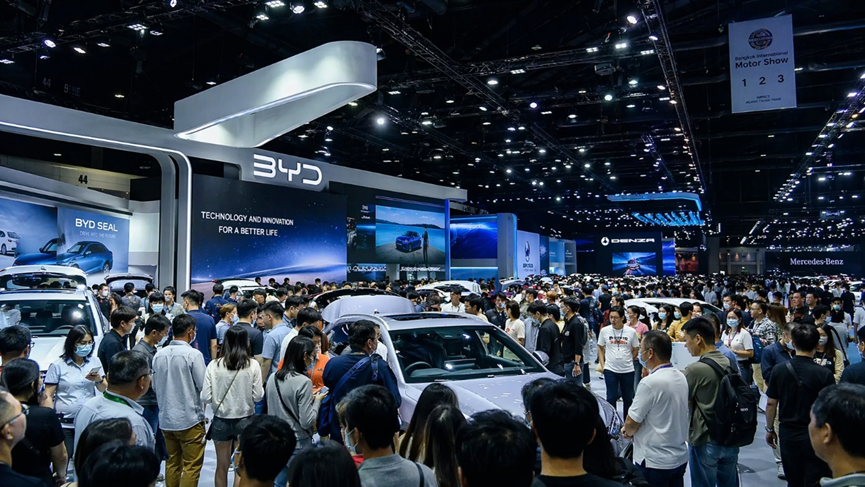
今年3月23日到4月5日,第47届曼谷国际车展结束时,一个数字被很多人忽略了——13万辆订单,创下历史新高。表面看,这是一次市场回暖。但如果把订单结构拆开看,会发现真正值得注意的,不是“卖得多”,而是谁在卖、卖的是什么车。
From March 23 to April 5 this year, the 47th Bangkok International Motor Show concluded with a number many overlooked—130,000 orders, a record high. On the surface, this suggests a market rebound. But if you break down the order structure, what truly stands out is not “how many were sold,” but who is selling—and what kind of cars are being sold.
在这13万辆订单里,中国汽车品牌拿下了大约65%的份额,而且几乎清一色集中在电动车。与此同时,传统燃油车的吸引力正在快速下降——油价上涨之后,单公里成本已经从约1.7泰铢升到2.2泰铢,而电动车的使用成本,仍然维持在0.5泰铢左右。当差距被拉到这个程度,消费者的选择,其实已经不再是偏好问题,而是一个再现实不过的计算题。
Of these 130,000 orders, Chinese automotive brands accounted for roughly 65%, almost entirely concentrated in electric vehicles. Meanwhile, the appeal of traditional gasoline cars is rapidly declining. As fuel prices have risen, the cost per kilometer has increased from about 1.7 baht to 2.2 baht, while EV operating costs remain around 0.5 baht. When the gap widens to this extent, consumer choice is no longer a matter of preference, but a straightforward calculation.
◆ ◆ ◆ ◆
不只是卖车
More Than Just Selling Cars
◆ ◆ ◆ ◆
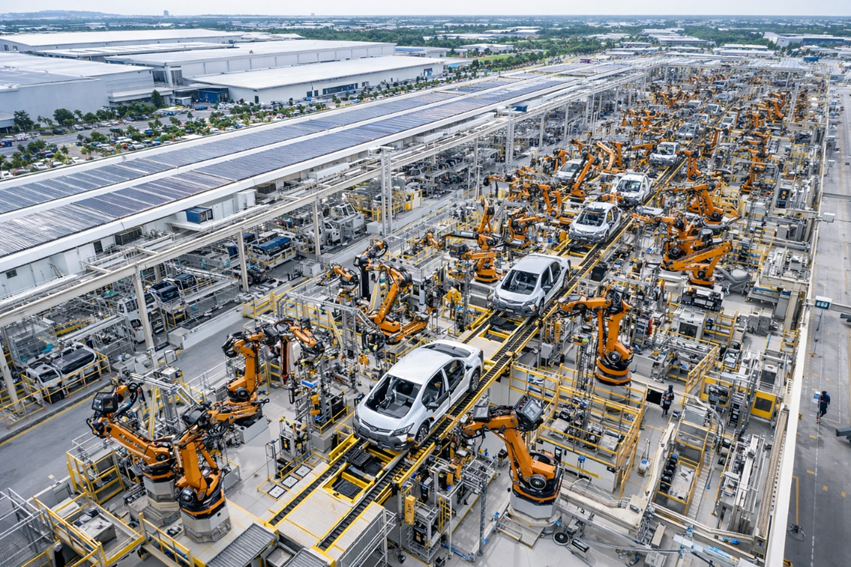
如果只把这65%的订单理解为“中国车卖得好”,其实是低估了这件事的分量。电动车在泰国的快速增长,本质上并不只是消费端的变化,而是一整套产业正在同步进入。从整车品牌,到电池、零部件,再到后端的物流、服务体系,这一轮中国企业进入泰国,已经不再是单点试水,而是成体系地落地。
If we interpret this 65% share merely as “Chinese cars are selling well,” we underestimate its significance. The rapid growth of EVs in Thailand is not just a shift in consumer demand—it reflects the simultaneous entry of an entire industrial ecosystem. From vehicle brands to batteries and components, and further to logistics and service systems, Chinese companies are no longer testing the waters individually; they are landing in a coordinated, system-wide manner.
过去很多人理解“出海”,是把产品卖到海外市场。但在电动车这件事上,路径已经变了——不是把车卖过去,而是把工厂、产线,甚至整个制造体系一起搬过去。而一旦进入这个阶段,车展上的订单,就不再只是销量的信号,而更像是一个前置指标:它背后对应的,是接下来几年持续发生的投资、建厂,以及更大规模的人流进入。
In the past, “going global” often meant exporting products. But in the EV sector, the approach has changed—not just exporting cars, but relocating factories, production lines, and even entire manufacturing systems. Once this stage is reached, orders at an auto show are no longer just a signal of sales; they become a leading indicator of future investments, factory construction, and large-scale workforce migration in the years ahead.

◆ ◆ ◆ ◆
工厂往哪走
Where Factories Go
◆ ◆ ◆ ◆
当产业开始从“卖产品”变成“搬体系”,一个更现实的问题就出现了——这些工厂,落在哪里?从这两年的布局看,答案其实越来越集中。无论是比亚迪、长城、长安,还是刚刚确认落地的 OMODA & JAECOO,新能源整车和配套项目,正在反复指向同一个地方:罗勇。
As the focus shifts from “selling products” to “relocating systems,” a more practical question emerges: where will these factories be built? Looking at developments over the past two years, the answer is increasingly concentrated. Whether it is BYD, Great Wall, Changan, or the newly confirmed OMODA & JAECOO, EV assembly and supporting projects are repeatedly pointing to the same location: Rayong.
这并不是偶然选择。放在泰国整体产业版图里,罗勇本身就处在东部经济走廊(EEC)的核心位置,港口、工业园、高速路网全部打通,本来就是为制造业准备的承接地。而当电动车产业需要的不再只是组装能力,而是完整供应链和效率体系时,这种基础设施优势,会被成倍放大。
This is no coincidence. Within Thailand’s industrial landscape, Rayong sits at the core of the Eastern Economic Corridor (EEC), with integrated ports, industrial parks, and highway networks—originally designed as a hub for manufacturing. As EV production demands not just assembly capacity but a complete supply chain and efficiency system, these infrastructure advantages are amplified.
更重要的是,一旦头部车企先落地,上下游企业就会跟进——零部件、物流、技术服务,一层一层叠加。最后形成的,不再是一个工厂,而是一个密集运转的产业集群。
More importantly, once leading automakers establish a presence, upstream and downstream enterprises follow—components, logistics, technical services—layer by layer. What eventually forms is not a single factory, but a densely operating industrial cluster.
◆ ◆ ◆ ◆
人就往哪走
Where People Go
◆ ◆ ◆ ◆
工厂选址确定之后,真正开始变化的,其实不是产能,而是人。新能源整车项目一旦投产,带来的从来不只是生产线工人,更大的一部分,是管理层、工程师、技术支持团队,以及一整批长期外派人员。这些人不是短暂停留,而是以一年、两年,甚至更久为周期,在当地工作和生活。
Once factory locations are set, the real change begins—not in capacity, but in people. When EV manufacturing projects go into operation, they bring not only line workers, but also managers, engineers, technical support teams, and a large number of long-term expatriates. These individuals do not stay briefly; they live and work locally for one, two, or even more years.
这也是为什么,这一轮进入泰国的人群结构,和过去完全不同。过去更多是基础制造所需的劳动力,而现在,随着电动车、自动化、电子制造等产业同步进入,企业更需要的是能搭产线、调设备、跑体系的技术型人才。
This explains why the composition of people entering Thailand in this wave is fundamentally different from before. Previously, the demand was mainly for basic manufacturing labor. Now, with EVs, automation, and electronics manufacturing entering simultaneously, companies increasingly need technical talent capable of building production lines, calibrating equipment, and running complex systems.
当产业从“装配”走向“体系”,对人的要求就变了——不再只是执行,而是要能把一整套已经成熟的生产系统,在新的环境里重新跑起来。而这类经验,目前最成熟的供给,仍然来自中国。于是一个很自然的结果出现了:工厂往哪走,这批人就往哪走。
As the industry evolves from “assembly” to “system,” the requirements for people change. It is no longer about execution alone, but about the ability to replicate a mature production system in a new environment. At present, the most mature supply of such expertise still comes from China. The result is natural: wherever factories go, these professionals follow.

◆ ◆ ◆ ◆
罗勇站上风口
Rayong at the Center of the Trend
◆ ◆ ◆ ◆
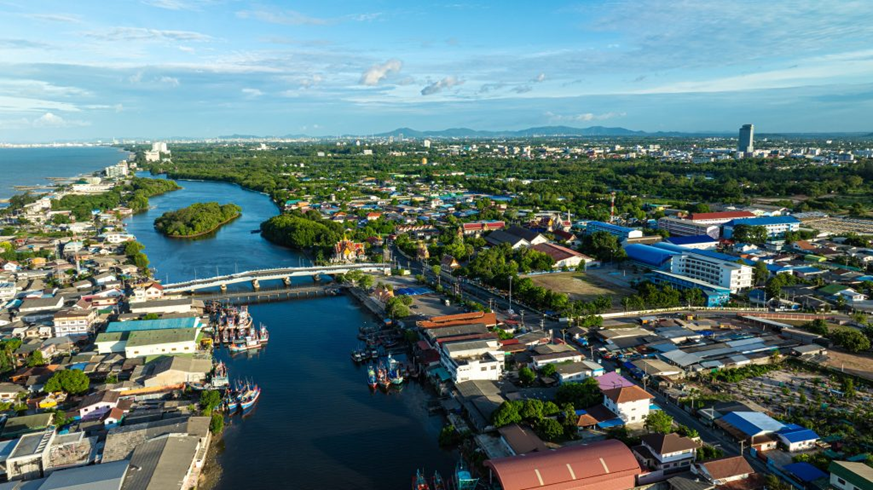
当工厂开始集中、人才开始流入,一个城市的角色,就会慢慢发生变化。过去很多人对罗勇的印象,还停留在“工业城市”:有工厂、有港口,但和生活、消费关系不大。但这两年,一个很明显的变化是——这里承接的,不再只是产能,而是产业、人口和资金同时进入。
As factories concentrate and talent flows in, the role of a city begins to change. Many once saw Rayong simply as an “industrial city”—with factories and ports but little connection to daily life or consumption. But in recent years, a clear shift has emerged: it is no longer just absorbing production capacity, but also industry, population, and capital simultaneously.
在东部经济走廊(EEC)的推动下,罗勇本来就是制造业的核心节点,而电动车产业的进入,相当于在原有基础上,又叠加了一层更高附加值的产业结构。工厂在扩张,供应链在完善,人也在持续增加,这三件事叠在一起,本质上是在把罗勇,从“生产地”推向一个更完整的城市形态。当一个地方开始同时承接产业和人口,它的变化就不再只是“多了几家工厂”,而是会逐渐影响到生活方式、城市功能,甚至最直接的——居住需求。
Driven by the EEC, Rayong has always been a key manufacturing node. The arrival of the EV industry adds a higher-value layer on top of its existing foundation. Factories are expanding, supply chains are improving, and the population continues to grow. Together, these changes are transforming Rayong from a “production base” into a more complete urban entity. When a place begins to absorb both industry and population, the impact extends beyond adding factories—it reshapes lifestyles, urban functions, and most directly, housing demand.
◆ ◆ ◆ ◆
住的问题出现了
The Housing Question Emerges
◆ ◆ ◆ ◆
但产业和人口同时涌入之后,一个很现实的问题,很快就浮出来了——这些人,住在哪里?从供给端看,罗勇并不缺房子。工业园周边,本地住宅、老旧公寓、员工宿舍一直都有。但问题在于,这一批新进入的人群,并不属于“能将就住”的类型。
As industry and population flow in together, a practical issue quickly surfaces: where will these people live? From a supply perspective, Rayong is not short of housing. Around industrial zones, there are local homes, older apartments, and worker dormitories. The problem is that this new wave of residents does not fit the “make do” category.
他们白天在工厂里开会、盯产线、做管理,晚上回到住处,如果周围只有宿舍和基础配套,生活很快就会被压缩到只剩工作。短期还能接受,但一旦驻扎周期拉到一年、两年,这种状态很难持续。
They spend their days in factories—attending meetings, managing production lines, overseeing operations. If their living environment offers only dormitories and basic amenities, life quickly becomes reduced to work alone. This may be tolerable in the short term, but not over one or two years.
这也是为什么,很多外派过来的人,最初会选择“离工厂近”,但住一段时间后,几乎都会做同一个调整——从工业区搬向市中心。因为住得近,并不等于住得好,而住不好,本身就是一种消耗。当居住从“临时落脚”变成“长期生活”,对配套、环境、空间的要求,就会从“能用”变成“必须有”。而这一步,恰恰是过去罗勇市场里,最缺的一环。
This is why many expatriates initially choose to live close to factories, but after some time, almost all make the same adjustment—moving from industrial zones to city centers. Proximity does not equal quality of living, and poor living conditions become a form of ongoing strain. As housing shifts from “temporary shelter” to “long-term living,” requirements evolve from “usable” to “essential.” This is precisely the segment that Rayong has historically lacked.
◆ ◆ ◆ ◆
数据已经给答案
The Data Already Speaks
◆ ◆ ◆ ◆
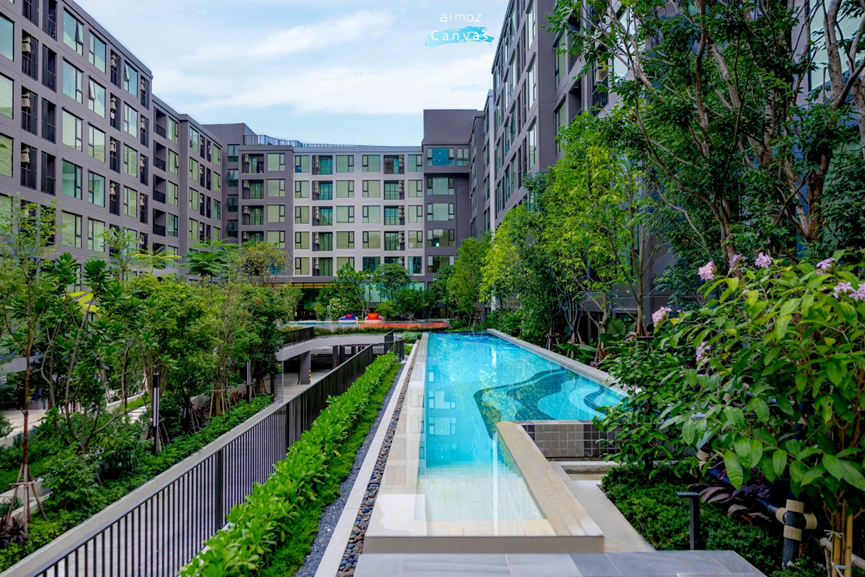
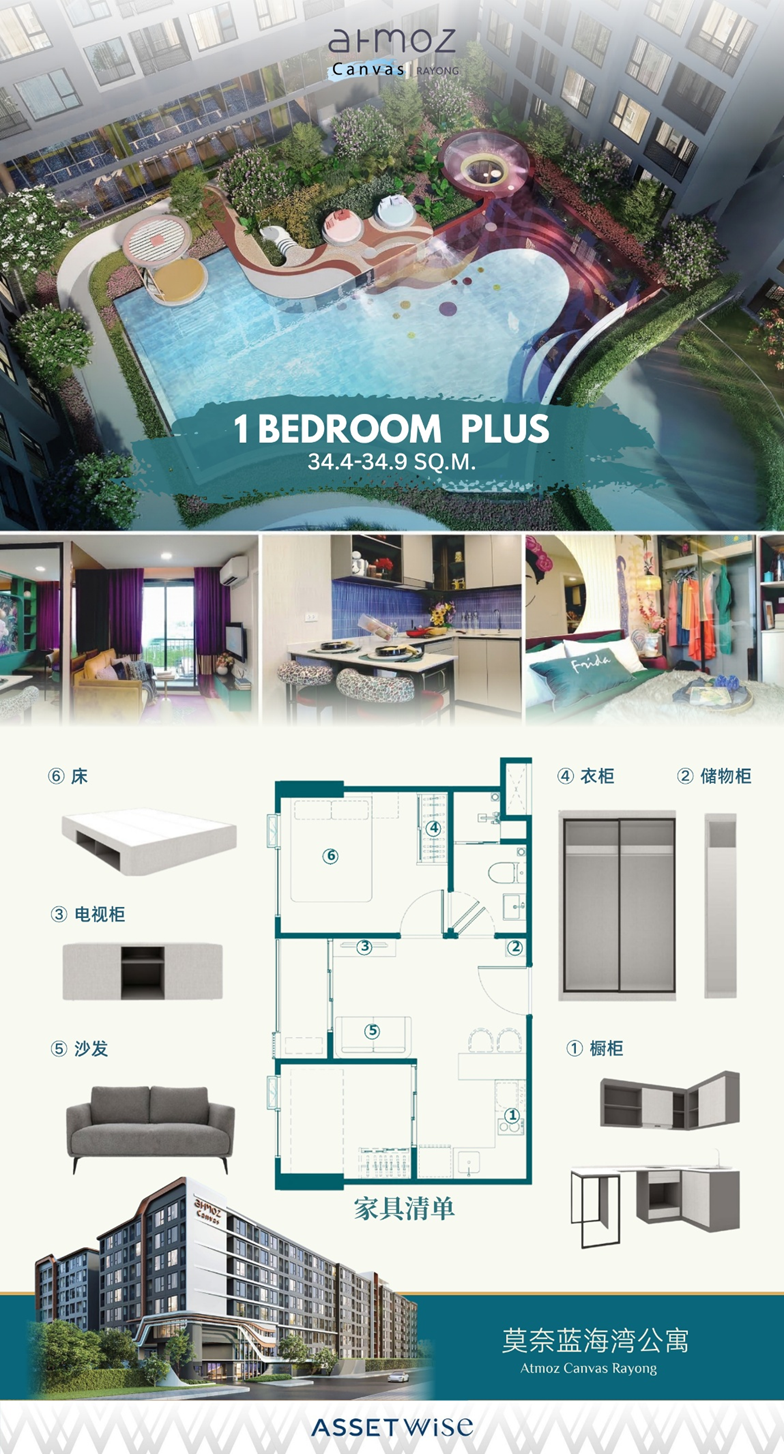
如果说前面的变化还可以理解为趋势判断,那么在罗勇,市场其实已经给出了更直接的反馈。在实际租赁端,一个很典型的现象是:真正符合这批人需求的产品,几乎是被迅速消化掉的。以 Atmoz Canvas Rayong 为例,已经售出的35㎡户型,目前全部实现出租,不是“好租”,而是已经有人住进去、在持续付租金。
If the earlier observations are trend-based, the market in Rayong has already provided more direct evidence. In the rental market, a typical phenomenon has emerged: properties that truly meet the needs of this group are absorbed almost immediately. Take Atmoz Canvas Rayong as an example—its sold 35-square-meter units are now fully rented, not just “in demand,” but already occupied with tenants paying ongoing rent.
这个结果本身,比任何预测都更有说服力。因为它对应的不是想象中的需求,而是已经发生的选择——租客用脚投票,留下来的,正是那一类既能满足通勤效率,又能保证基本生活质量的产品。
This outcome is more convincing than any forecast, because it reflects actual choices, not hypothetical demand. Tenants vote with their feet, and what remains are units that balance commuting efficiency with acceptable living standards.
从租客结构来看,也印证了前面的变化:以中资企业外派的高管、工程师、技术负责人为主,单人居住为主,周期长、预算稳定,不愿合租,也不接受宿舍型产品。35㎡这样的户型,刚好卡在效率和舒适之间的平衡点,自然成为最先被市场吸收的一类。
Tenant profiles further confirm the trend: primarily Chinese expatriate executives, engineers, and technical leads, usually living alone, with long-term stays and stable budgets. They prefer not to share accommodations and do not accept dormitory-style housing. A 35-square-meter unit strikes the right balance between efficiency and comfort, making it the first type to be absorbed by the market.
当工厂持续扩张、岗位长期存在,这种租赁需求就不会是短期波动,而是会以“年”为单位反复出现。在这样的结构下,问题已经不是“能不能租出去”,而是——有没有足够的产品,去承接这批正在增加的人。
As factories continue expanding and positions remain long-term, this rental demand will not be short-lived—it will recur year after year. Under such conditions, the question is no longer whether units can be rented out, but whether there is enough supply to accommodate the growing population.
◆ ◆ ◆ ◆
结构已经变了
The Structure Has Changed
◆ ◆ ◆ ◆
很多人看到这轮变化,第一反应还是停留在“电车卖得很好”。但如果把时间拉长一点看,会发现真正发生的,其实是另一件事——一条完整的产业链,正在从一个国家,转移到另一个国家。
Many people still view this wave through the lens of “EVs are selling well.” But over a longer horizon, what is truly happening is something else entirely: a complete industrial chain is shifting from one country to another.
车,只是最容易被看见的那一层。再往下,是工厂,是供应链,是工程师和管理层,是一批以“年”为单位停留的人群。再往后,才是城市的变化,是生活方式的重构,是租金和居住需求被一点点抬起来。
Cars are only the most visible layer. Beneath them lie factories, supply chains, engineers and managers, and a population that stays for years. Beyond that comes urban transformation, changes in lifestyle, and the gradual rise in rents and housing demand.
从这个角度看,曼谷车展的13万订单,更像是一个起点,而不是结果。它提示的,不只是消费端的选择变化,而是一个更长期的趋势:产业往哪走,人就往哪走;人在哪停下来,需求就在哪里形成。
From this perspective, the 130,000 orders at the Bangkok Motor Show are more of a starting point than a result. They signal not just changing consumer preferences, but a longer-term trend: industries move, people follow; where people settle, demand forms.
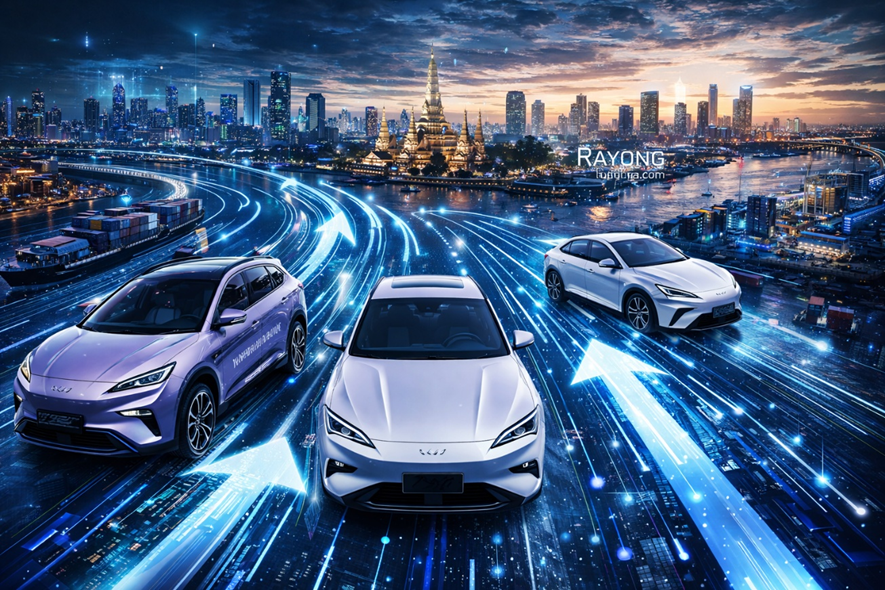
而罗勇,正好站在这条链路的中间。当越来越多新能源工厂在这里落地,当越来越多工程师和管理层开始长期驻扎,这座城市的角色,就已经不再只是“生产基地”,而是在慢慢变成一个真正承接人口与生活的节点。
Rayong sits right in the middle of this chain. As more EV factories establish themselves and more engineers and managers settle long-term, the city’s role is no longer just a “production base,” but is evolving into a node that supports population and daily life.
在这样的结构下,很多看似分散的现象——电车爆发、工厂集中、人才流入、租赁走强——其实指向的是同一件事:这里,正在从“工业城市”,变成一个可以长期生活的地方。
Under this new structure, seemingly separate phenomena—EV growth, factory concentration, talent inflow, rising rentals—are all pointing to the same reality: Rayong is transforming from an “industrial city” into a place where people can live long-term.

 泰国 · 曼谷
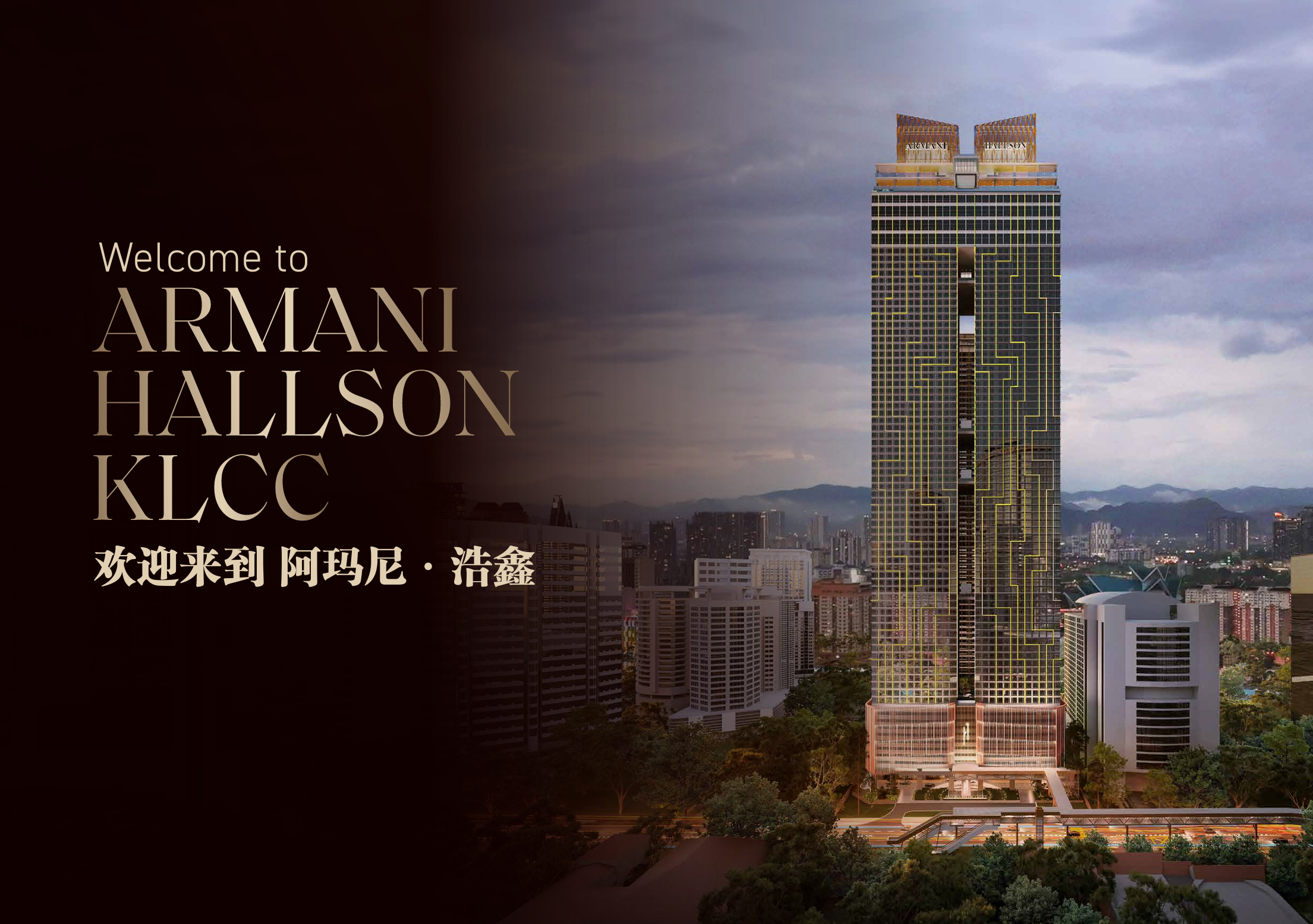 马来西亚 · 吉隆坡
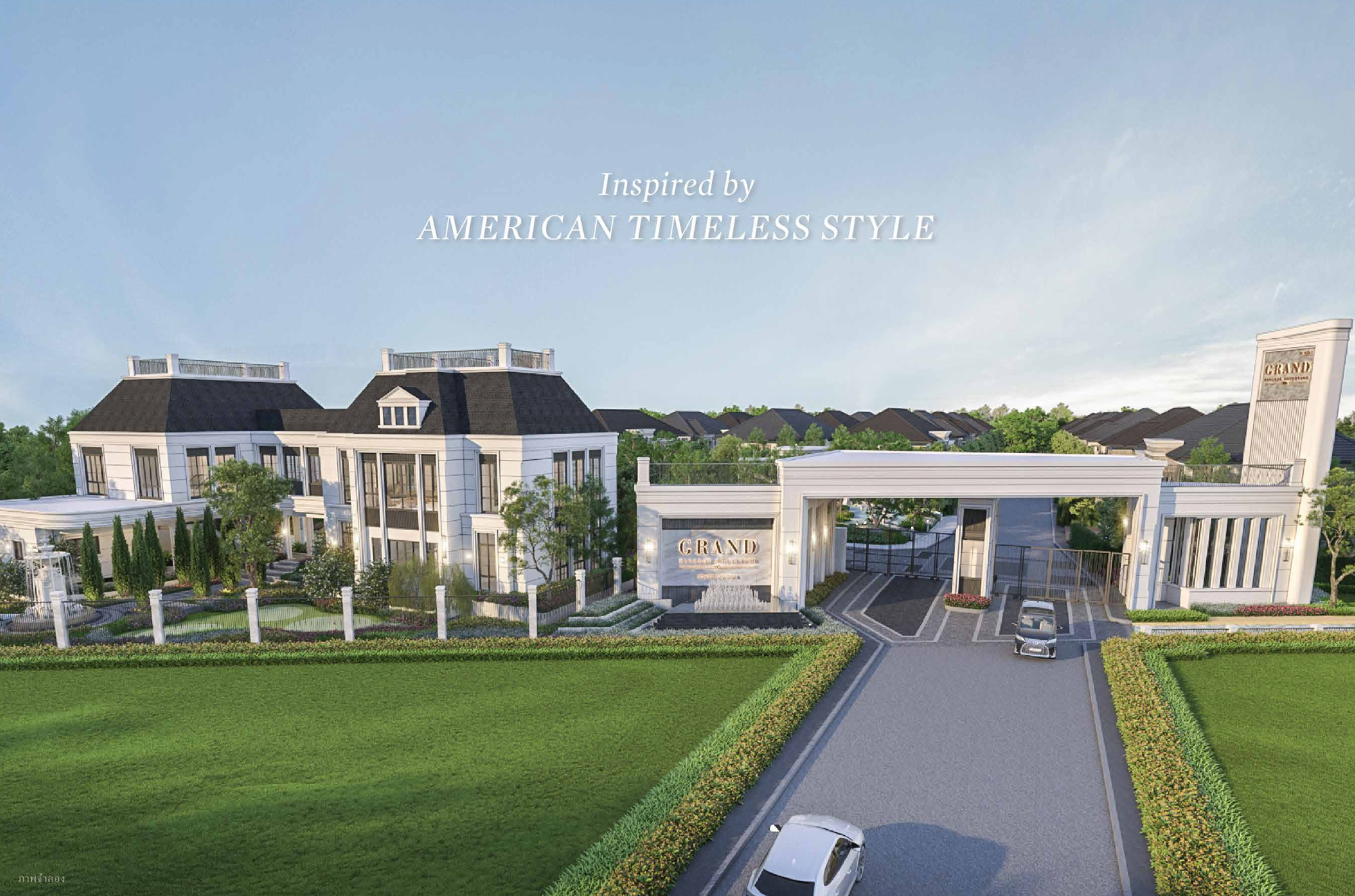 泰国 · 曼谷
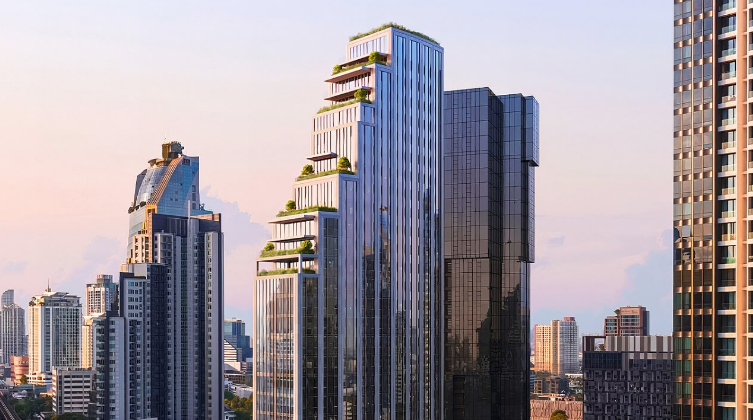 泰国 · 曼谷