1.14万亿投资涌入泰国:中国企业加速出海,普通人藏着4个新机会
很多人可能还没有注意到,一个变化正在慢慢发生。这几年,越来越多中国企业开始把生产基地布局到泰国。
Many people may not have noticed that a gradual change is taking place. In recent years, more and more Chinese companies have begun setting up production bases in Thailand.
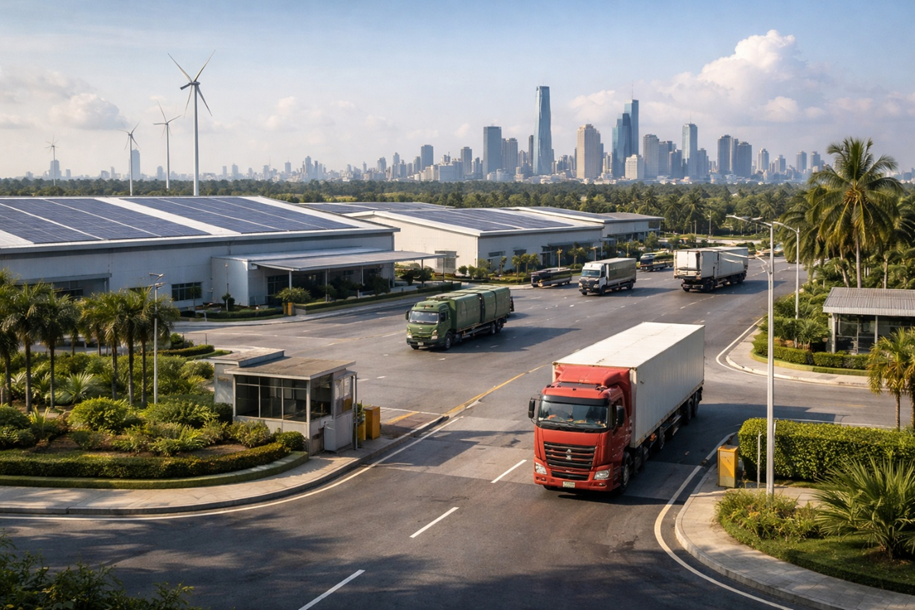
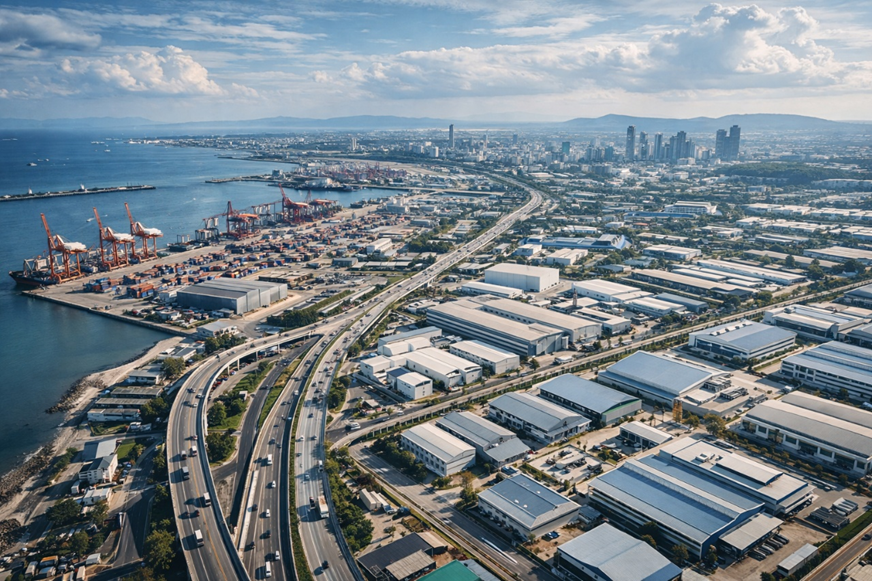
如果最近去过曼谷周边的工业区域,比如春武里、罗勇或者北柳府,就会发现工业园区里的厂房越来越多。走在园区里,一些工厂门口的招牌甚至直接写着中文,公司名称也越来越熟悉。
If you have recently visited industrial areas around Bangkok—such as Chonburi, Rayong, or Chachoengsao—you may have noticed that the number of factory buildings in industrial parks is increasing. Walking through these parks, some factory signs are even written directly in Chinese, and the company names are becoming increasingly familiar.
尤其是在泰国重点发展的东部经济走廊(EEC)区域,新工业区不断扩张,一批新的制造企业正在陆续进入。制造业的版图,正在悄悄发生变化。
Particularly in Thailand’s key development area, the Eastern Economic Corridor (EEC), new industrial zones are continuously expanding, and a wave of new manufacturing companies is entering one after another. The map of manufacturing is quietly changing.
◆ ◆ ◆ ◆
数据说明趋势
Data Shows the Trend
◆ ◆ ◆ ◆
如果只是个别企业进入,也许还不算趋势。但从数据来看,这种变化已经越来越明显。
If only a few companies were entering, it might not yet be considered a trend. However, the data clearly shows that the change is becoming increasingly evident.
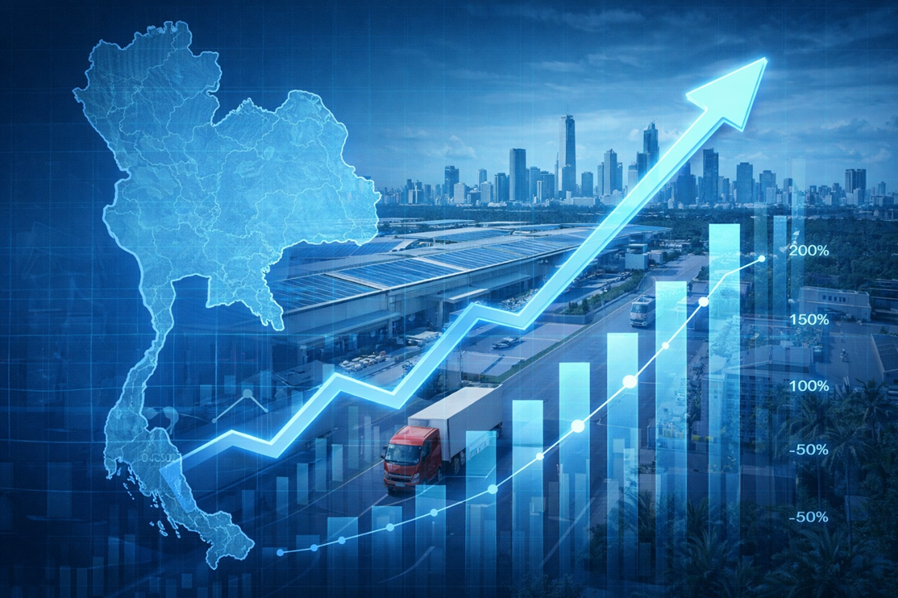
泰国投资促进委员会(BOI)不久前公布了一组数据:2025年泰国外商投资申请金额超过1.14万亿泰铢,涉及2259个项目,创下近十年来的新高。在这些新增投资中,中国企业的增长速度非常快,已经成为最活跃的投资来源之一。
The Thailand Board of Investment (BOI) recently released data showing that in 2025 foreign investment applications in Thailand exceeded 1.14 trillion baht, covering 2,259 projects, reaching the highest level in nearly a decade. Among these new investments, Chinese companies are growing particularly fast and have become one of the most active sources of investment.
与此同时,泰国多个工业园区也明显感受到需求的变化。特别是在东部经济走廊(EEC)区域,工业用地的销售持续增加,不少园区的土地已经被企业提前预订。一些新的厂房正在建设,还有不少项目已经进入投产准备阶段。
At the same time, many industrial parks in Thailand are clearly experiencing a shift in demand. In particular, within the EEC region, sales of industrial land continue to rise, and many plots have already been reserved by companies in advance. Some factories are currently under construction, while many projects are already preparing to begin production.
从投资数据到土地需求,都在说明一件事情:越来越多制造企业,正在把生产线布局到泰国。
Both investment figures and land demand point to one clear fact: more and more manufacturing companies are establishing production lines in Thailand.
◆ ◆ ◆ ◆
为什么企业选择泰国
Why Companies Choose Thailand
◆ ◆ ◆ ◆
中国企业把工厂布局到泰国,并不是一时的决定,而是多种因素共同作用的结果。
Chinese companies establishing factories in Thailand is not a sudden decision, but the result of multiple factors.
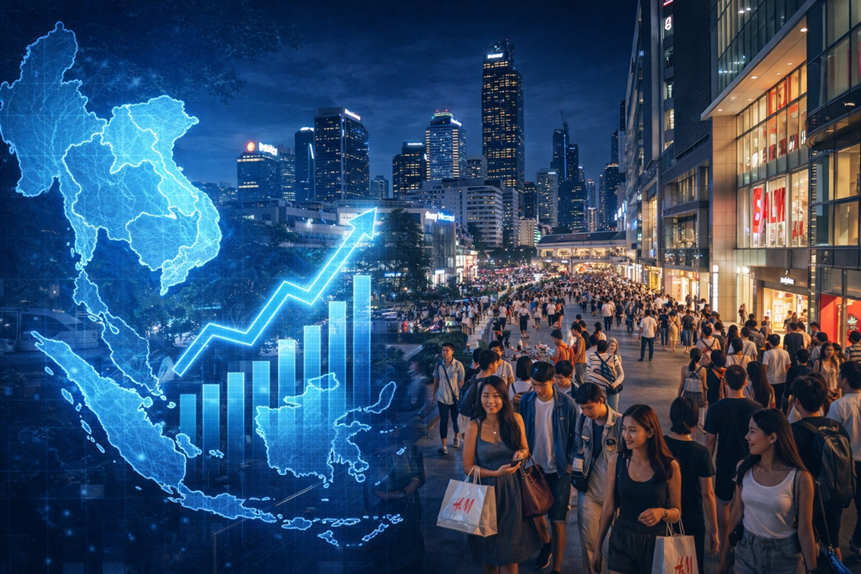
首先,是市场的原因。东盟拥有接近 7亿人口,是全球增长速度非常快的消费市场之一。随着经济发展,汽车、家电以及电子产品的需求都在持续增加。对于很多中国制造企业来说,如果生产基地设在泰国,不仅可以直接进入泰国市场,同时也能更方便地覆盖整个东南亚地区。
First is the market factor. ASEAN has a population of nearly 700 million people, making it one of the fastest-growing consumer markets in the world. As economies develop, demand for automobiles, home appliances, and electronic products continues to rise. For many Chinese manufacturers, setting up production bases in Thailand allows them not only to enter the Thai market directly, but also to more easily serve the entire Southeast Asian region.
从地理位置来看,泰国位于东南亚的中心位置,向周边国家辐射也更加便利。因此,在泰国建立工厂,对不少企业来说,其实是进入东盟市场的一条重要路径。
Geographically, Thailand sits at the center of Southeast Asia, making it convenient to expand into neighboring countries. Therefore, establishing factories in Thailand has become an important pathway for many companies to enter the ASEAN market.
◆ ◆ ◆ ◆
供应链正在改变
The Supply Chain Is Changing
◆ ◆ ◆ ◆
除了市场因素,另一个重要原因,是全球供应链正在发生调整。过去几十年,中国一直是全球制造业最核心的生产基地,大量产业链都集中在中国。但近年来,越来越多企业开始推动供应链多元化,希望把部分生产能力分布到不同国家,以降低经营风险。
In addition to market factors, another key reason is the ongoing adjustment of global supply chains. Over the past few decades, China has been the core hub of global manufacturing, with large portions of industrial supply chains concentrated there. However, in recent years, more companies have begun diversifying their supply chains, hoping to distribute part of their production capacity across different countries in order to reduce operational risks.
在这样的背景下,东南亚逐渐成为新的制造业承接地区。而在东南亚国家中,泰国本身拥有较好的工业基础,特别是在汽车制造和电子产业方面,产业链已经比较成熟。同时,当地港口、公路和物流体系也相对完善。
Against this backdrop, Southeast Asia has gradually become a new destination for manufacturing relocation. Among Southeast Asian countries, Thailand already has a relatively strong industrial foundation, particularly in automobile manufacturing and electronics, where supply chains are fairly mature. At the same time, the country’s ports, highways, and logistics infrastructure are relatively well developed.
对于很多企业来说,在这里建设新的生产基地,不仅成本结构更合理,也更方便连接整个东南亚市场。因此,越来越多企业开始把泰国纳入全球制造布局。
For many companies, building production bases here not only offers a more balanced cost structure but also provides easier access to the entire Southeast Asian market. As a result, Thailand is increasingly being incorporated into global manufacturing strategies.

◆ ◆ ◆ ◆
政策推动力量
Policy Support
◆ ◆ ◆ ◆
除了市场和供应链的变化,泰国政府的政策推动也是重要原因之一。近年来,泰国一直在重点推进一个大型经济发展计划——东部经济走廊(EEC)。
In addition to market forces and supply chain shifts, government policy support in Thailand is another important factor. In recent years, Thailand has been pushing forward a major economic development initiative—the Eastern Economic Corridor (EEC).
这个计划的核心,是把春武里、罗勇和北柳三个府打造成为新的工业和科技中心。为了吸引更多国际企业进入,当地政府也推出了一系列投资激励措施。
The core of this initiative is to transform the provinces of Chonburi, Rayong, and Chachoengsao into new industrial and technological hubs. To attract more international companies, the Thai government has introduced a series of investment incentives.
例如在税收方面,一些重点产业可以享受企业所得税减免;在投资审批、土地使用以及基础设施配套上,也提供了不少支持政策。
For example, certain key industries can enjoy corporate income tax reductions, and there are also supportive policies regarding investment approvals, land use, and infrastructure development.
在这些政策推动下,越来越多制造企业开始把东部经济走廊视为新的生产基地。因此,很多新的工厂项目,都会优先落在这一带。
With these incentives in place, many manufacturing companies now view the EEC as a new production base. As a result, many new factory projects are prioritizing this region.
◆ ◆ ◆ ◆
中国企业已经开始布局
Chinese Companies Have Already Begun Their Layout
◆ ◆ ◆ ◆
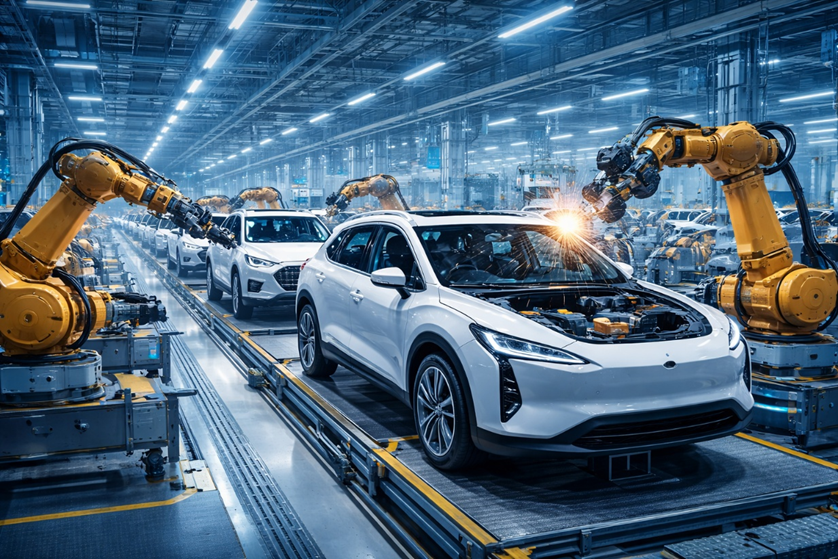
事实上,中国制造企业在泰国的布局已经非常明显,特别是在新能源汽车领域。目前,包括 比亚迪、长城汽车、上汽名爵、长安汽车、广汽埃安、奇瑞汽车 等中国品牌,都已经在泰国建设或规划整车工厂。
In fact, Chinese manufacturing companies have already made significant moves in Thailand, especially in the new energy vehicle (NEV) sector. Currently, Chinese brands such as BYD, Great Wall Motors, SAIC MG, Changan Automobile, GAC Aion, and Chery have already built or planned vehicle manufacturing plants in Thailand.
其中,比亚迪在罗勇府投资建设的工厂,总投资约 320亿泰铢,规划年产能约 15万辆新能源汽车。这也是比亚迪在东南亚的重要生产基地之一。长城汽车则通过收购原通用汽车在罗勇的工厂,快速建立起新的生产基地,并开始在当地生产多款车型。而上汽名爵进入泰国更早,目前在当地的年产量已经超过 10万辆。
Among them, BYD’s factory in Rayong Province represents an investment of about 32 billion baht, with a planned annual production capacity of approximately 150,000 electric vehicles. It will serve as one of BYD’s key production bases in Southeast Asia. Great Wall Motors rapidly established its production base by acquiring General Motors’ former factory in Rayong and has already begun producing several models locally. SAIC MG entered Thailand earlier, and its annual production in the country has already exceeded 100,000 vehicles.
随着整车厂进入,相关的电池企业、汽车零部件供应商以及电子制造企业也开始陆续进入泰国。慢慢地,一条围绕新能源汽车和电子制造的产业链,正在当地逐渐形成。
As automakers enter the market, related industries—including battery manufacturers, automotive parts suppliers, and electronics companies—are also gradually entering Thailand. Over time, a new industrial chain centered around electric vehicles and electronics manufacturing is beginning to take shape.
◆ ◆ ◆ ◆
中国人的四个机会
Four Opportunities for Chinese Individuals
◆ ◆ ◆ ◆
当越来越多中国企业进入泰国时,产业变化往往也会带来新的发展空间。对于很多在泰国生活,或者计划来泰国发展的中国人来说,这一轮产业变化,其实意味着不少新的机会正在出现。
When more Chinese companies enter Thailand, industrial changes often bring new opportunities. For many Chinese people already living in Thailand—or planning to move there—this wave of industrial transformation could open up several new paths.
The first opportunity is employment.
第一个机会,是就业机会
随着中国企业不断进入泰国,很多公司都会需要既了解中国企业文化,同时又能够适应当地环境的人才。从岗位类型来看,包括供应链管理、市场销售、工厂运营、技术岗位以及管理岗位等,都可能出现新的需求。对于已经在泰国生活的中国人来说,就业选择也会慢慢变得更多。
As Chinese companies expand in Thailand, many will need talent who understand Chinese corporate culture while also being able to adapt to the local environment. Positions in supply chain management, marketing and sales, factory operations, technical roles, and management are likely to grow. For Chinese residents already living in Thailand, job options may gradually increase.
The second opportunity is entrepreneurship.
第二个机会,是创业机会
制造业进入一个地区之后,往往会带动大量配套行业的发展。比如物流运输、仓储服务、工业设备、跨境贸易以及企业服务等领域,都会随着企业数量增加而产生新的市场需求。这些领域,也正是很多华人在泰国创业的重要方向。
When manufacturing enters a region, it often drives the development of many supporting industries. Logistics, warehousing, industrial equipment, cross-border trade, and business services all tend to grow alongside increasing corporate activity. These sectors are also common areas for Chinese entrepreneurs in Thailand.
The third opportunity is industry participation
第三个机会,是产业机会
当越来越多企业集中在同一个区域时,新的产业集群也会逐渐形成。比如新能源汽车、电池以及汽车零部件等产业链,在未来几年都有可能在泰国形成新的产业生态。对于拥有行业资源或者经验的人来说,这些产业变化背后,也可能隐藏着新的发展空间。
When companies cluster in a region, industrial ecosystems gradually form. Industries such as electric vehicles, batteries, and automotive components may develop into strong clusters in Thailand over the next few years. For people with industry experience or resources, these shifts may reveal new development opportunities.

The Fourth Opportunity: Investment
第四个机会,是投资机会
如果从更宏观的角度来看,产业的变化往往也会带来人口结构的变化。当企业进入、工厂增加时,随之而来的就是工程师、管理人员以及各类技术人才的流入。随着这些人长期在当地工作生活,对住房和生活配套的需求也会逐渐增加。
From a broader perspective, industrial change often leads to changes in population structure. When factories increase and companies move in, engineers, managers, and technical professionals follow. As they settle and work locally, demand for housing and lifestyle services also grows.
在东部经济走廊的几个城市中,罗勇府就是一个非常典型的例子。这里不仅聚集了大量工业园区,也是新能源汽车产业的重要落地区域。随着比亚迪、长城汽车等企业在当地建设生产基地,越来越多产业相关人员开始在罗勇长期工作。
Among the cities in the EEC region, Rayong Province is a typical example. It hosts many industrial parks and has become a key hub for the new energy vehicle industry. With companies such as BYD and Great Wall Motors building production bases there, more industry professionals are beginning to live and work in Rayong long term.
产业的发展,也让城市人口逐渐增加。在这样的背景下,一些靠近工业区、交通便利、生活配套逐渐完善的住宅项目,也开始受到更多关注。
Industrial growth has gradually increased the city’s population. In this context, residential projects located near industrial zones, with convenient transportation and improving lifestyle facilities, are receiving more attention.
例如位于罗勇的 ATMOZ Canvas Rayong 项目,就是近年来当地比较受关注的新住宅项目之一。这个项目距离多个工业园区较近,能够满足在当地工作的企业员工居住需求,同时社区规划偏向年轻化,整体居住环境和生活配套也在逐步完善。
For example, ATMOZ Canvas Rayong, a residential project in Rayong, has become one of the more notable developments in recent years. Located close to several industrial parks, it is designed to meet the housing needs of employees working in nearby enterprises. The community is designed with a younger demographic in mind, and its living environment and amenities continue to improve.
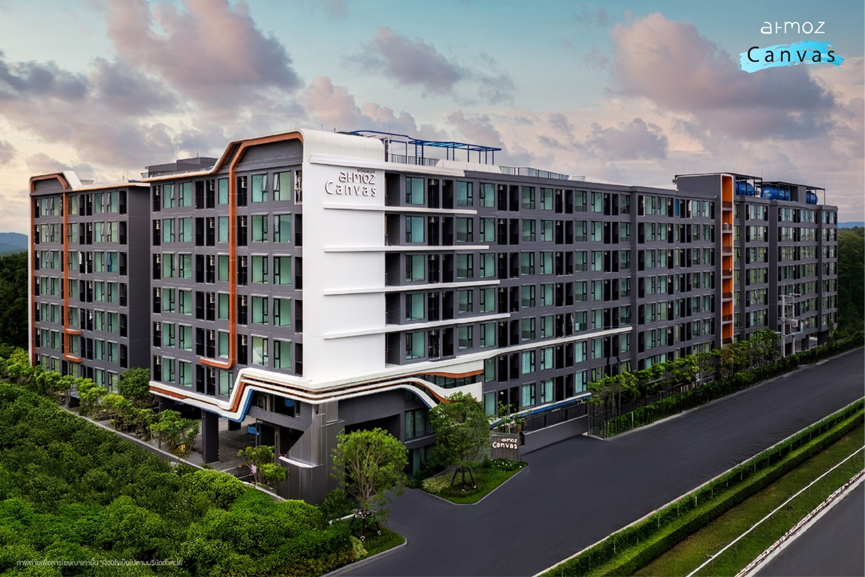
随着产业发展和人口流入,这类靠近产业核心区域的住宅项目,也逐渐成为不少投资者关注的方向。
With industrial development and population inflow, residential projects near industrial centers are increasingly attracting the attention of investors.
从更大的视角来看,全球制造业的格局正在发生变化。部分产业从中国向东南亚扩散,而泰国正逐渐成为这一轮产业转移的重要节点。
From a broader perspective, the global manufacturing landscape is undergoing transformation. Some industries are spreading from China to Southeast Asia, and Thailand is gradually becoming a key node in this new wave of industrial relocation.
当产业开始聚集时,往往也会带来就业、创业以及投资等一系列新的机会。
Whenever industries begin to cluster, they often bring with them a series of new opportunities—including employment, entrepreneurship, and investment.

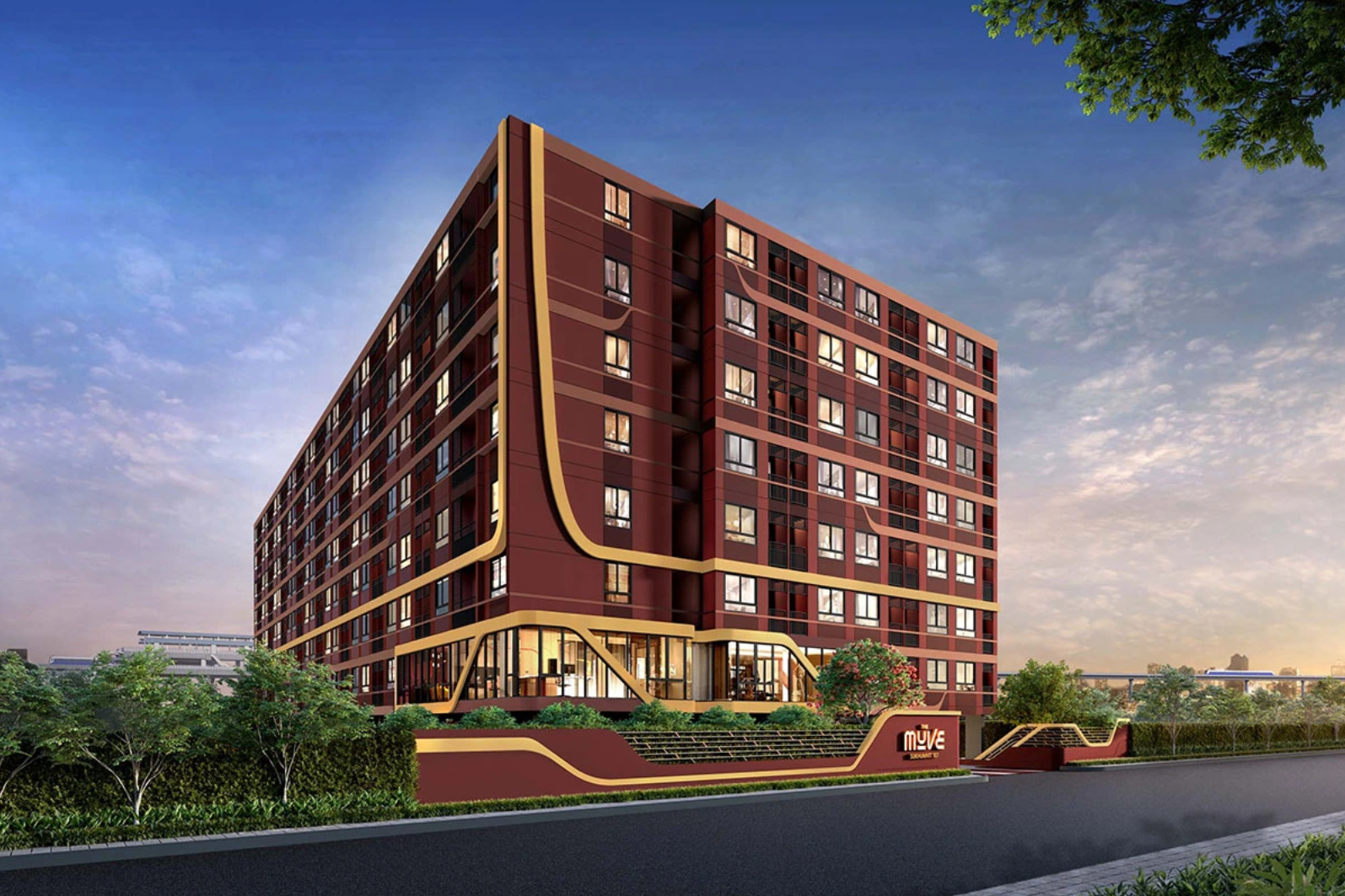
 泰国 · 曼谷
 马来西亚 · 吉隆坡
 泰国 · 曼谷
 泰国 · 曼谷