当全网都在说“Thank You Thailand”:原来最好的旅行,是被微笑接住
最近,一句“Thank You Thailand”在社交平台上频繁出现。不同国家的游客,在离开泰国之前,用视频或图文认真盘点自己的旅程:走了多少步,打了几次Grab,吃了几份泰式炒河粉,进了多少次7-11,甚至连被蚊子“光顾”了多少回都统计得清清楚楚。
Recently, the phrase “Thank You Thailand” has been appearing frequently across social media. Before leaving the country, travelers from different nations post videos or photo essays carefully reviewing their journeys: how many steps they walked, how many times they used Grab, how many plates of pad thai they ate, how often they went into 7-11, even how many times they were “visited” by mosquitoes.

这些内容并不宏大,却格外具体。有人记录嘟嘟车的风声,有人展示按摩后的松弛表情,也有人坦诚分享旅途中偶尔的不适和小插曲。旅行不再是滤镜下的精修画面,而是被拆解成一个个真实的生活瞬间。
These posts are not grand in scale, but they are strikingly specific. Some record the rush of wind from a tuk-tuk ride; others show the relaxed expressions after a massage; still others candidly share occasional discomforts and small mishaps along the way. Travel is no longer a perfectly filtered image, but a series of real-life moments broken down and laid bare.
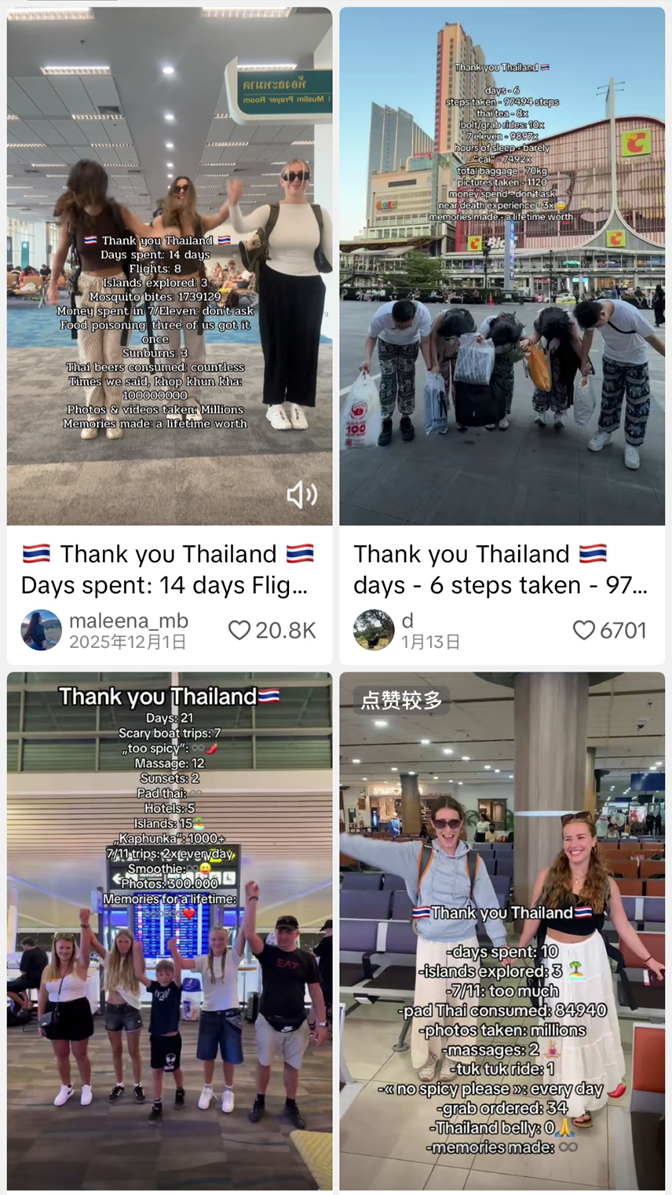
当这些碎片被拼接在一起,它们最终汇成一句简单的话——谢谢你,泰国。这不是统一的口号,而是一种自发的表达。游客用自己的方式,为一段旅程做结尾,也为一个国家留下印象。
When these fragments are pieced together, they eventually converge into a simple sentence—Thank you, Thailand. It is not a unified slogan, but a spontaneous expression. In their own ways, travelers use it to close a journey and to leave behind an impression of a country.
◆ ◆ ◆ ◆
真实叙事:滤镜被打碎之后
Authentic Storytelling: After the Filters Are Shattered
◆ ◆ ◆ ◆
在这波分享里,最耐人寻味的,是一种近乎“数据化”的表达方式。有人精确统计每天的步数,有人计算消费金额,有人甚至把行程拆解成一串时间轴,细致到早上几点喝咖啡、下午几点做按摩。
Among this wave of sharing, what is most intriguing is an almost “data-driven” way of expression. Some precisely count their daily steps; others calculate their expenses; some even break their itineraries into detailed timelines, noting the exact hour they had coffee in the morning or a massage in the afternoon.
他们没有刻意回避旅途中的不完美。被蚊虫叮咬的抱怨、偶尔水土不服的经历、打车绕路的小插曲,都被如实记录下来。这种近乎透明的呈现,反而让内容更有说服力。
They do not deliberately avoid the imperfections of travel. Complaints about mosquito bites, occasional stomach discomfort, minor detours by taxi drivers—all are recorded honestly. This near transparency makes the content even more persuasive.
当旅行不再只是阳光沙滩和完美构图,而是包含真实的疲惫与小小的狼狈,观众反而更容易代入。没有刻意修饰的美,往往更接近生活本身。也正是在这种不加滤镜的叙述里,泰国旅游真正的质感被看见。
When travel is no longer just sunshine, beaches, and flawless compositions, but also includes genuine fatigue and small embarrassments, audiences find it easier to relate. Beauty without deliberate embellishment often feels closer to life itself. And it is precisely through such unfiltered narratives that the true texture of travel in Thailand becomes visible.
◆ ◆ ◆ ◆
温度优势:人情味才是底牌
The Advantage of Warmth: Human Connection as the Trump Card
◆ ◆ ◆ ◆
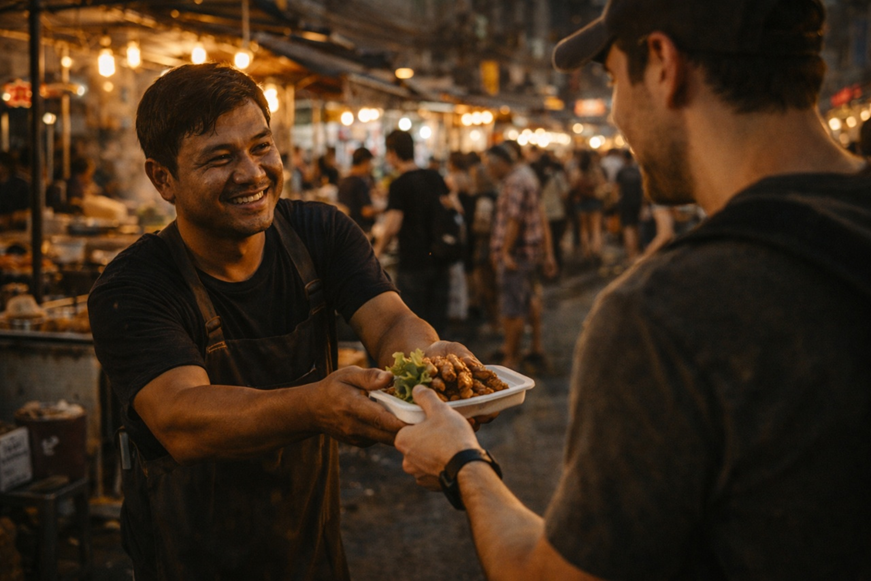
如果说美食和海岛是泰国的外在吸引力,那么真正让人念念不忘的,是人与人之间的互动。街头摊贩的笑容、司机随口的寒暄、按摩店里一句轻声的问候,这些并不昂贵,却格外真实。
If cuisine and islands are Thailand’s outward attractions, what truly lingers in memory is the interaction between people. The smile of a street vendor, a driver’s casual greeting, a soft inquiry in a massage shop—none of these are costly, yet they feel deeply authentic.
不少游客在总结行程时,会把“被坑了几次”和“遇到多少笑脸”放在同一条清单里。前者是旅途的插曲,后者却是记忆的主角。哪怕偶有不愉快,当更多温暖的瞬间出现时,整体体验便被重新定义。
Many travelers, when summarizing their trips, list “how many times I got ripped off” alongside “how many smiles I encountered.” The former are episodes; the latter become the main theme of memory. Even if there are occasional unpleasant moments, when warmth appears more frequently, the overall experience is redefined.

这也是泰国旅游业历经波动却始终保有吸引力的重要原因。风景可以复制,商业模式可以模仿,但人与人之间自然流露的善意,却很难被替代。很多时候,真正让游客愿意说出“谢谢”的,并不是一次消费,而是一种被善待的感觉。
This is also a key reason why Thailand’s tourism industry has remained appealing despite fluctuations. Scenery can be replicated, business models can be imitated, but the natural kindness between people is hard to replace. Often, what makes visitors willing to say “thank you” is not a single purchase, but the feeling of being treated with goodwill.
◆ ◆ ◆ ◆
双向回应:情感闭环形成
A Two-Way Response: An Emotional Loop Takes Shape
◆ ◆ ◆ ◆
有意思的是,这股热潮并没有停留在游客之间。许多泰国网友也参与进来,在评论区表达感谢,甚至转发这些视频和图文,称这些外来的目光让他们重新看见了自己的国家。
Interestingly, the trend has not remained solely among tourists. Many Thai netizens have joined in, expressing gratitude in comment sections and even reposting these videos and posts, saying that such outside perspectives have helped them see their own country anew.
那些在日常生活中再普通不过的场景——街角随处可见的7-11、双手合十的问候方式、空气里弥漫的炒河粉香气——在游客的镜头里变得格外生动。外部视角像一面镜子,让习以为常的细节重新被赋予意义。
Scenes that are ordinary in daily life—7-11 stores at every corner, the wai greeting with palms pressed together, the aroma of pad thai in the air—appear vivid through visitors’ lenses. External perspectives act like a mirror, reassigning meaning to details once taken for granted.
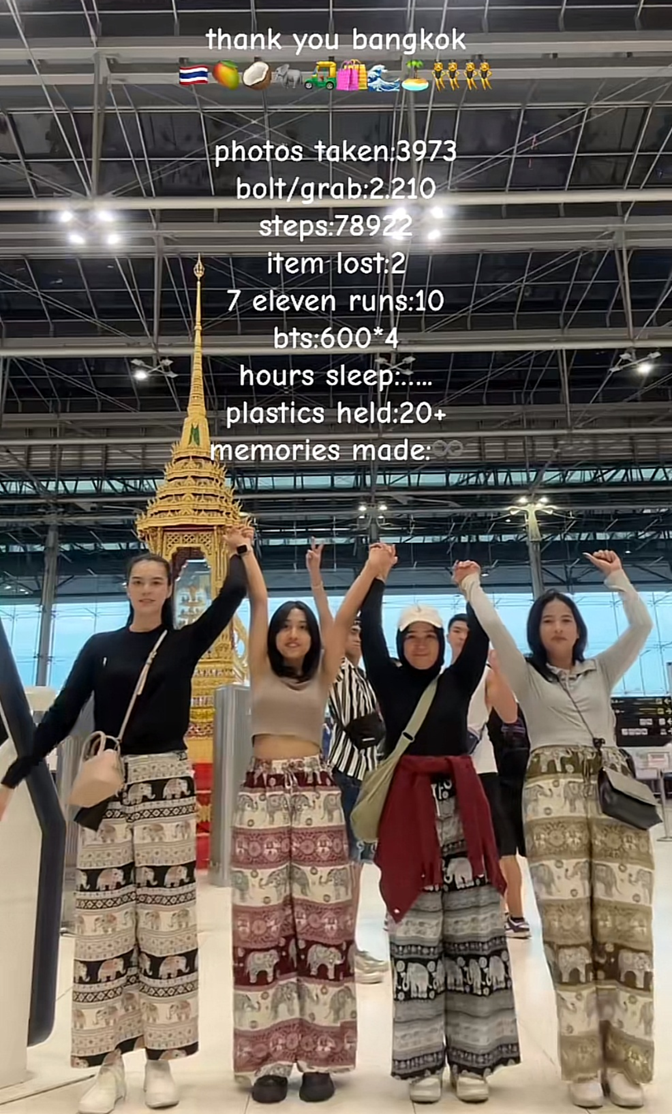
当感谢被听见,当善意被回应,情绪便形成了循环。游客因为体验而表达感激,本地人因为这份认可而更加珍视自己的文化与服务方式。有人评论说,只要始终保持真诚待客,不去消耗信任,口碑自然会一点点累积。这种朴素的道理,恰恰是旅游行业最稳固的根基。
When gratitude is heard and kindness is returned, emotions begin to circulate. Visitors express thanks for their experiences; locals, receiving that recognition, grow even more appreciative of their own culture and service ethos. As some comments note, as long as sincerity in hospitality is maintained and trust is not squandered, reputation will accumulate gradually. This simple truth is, in fact, the most solid foundation of the tourism industry.
◆ ◆ ◆ ◆
中国游客:松弛感的秘密
Chinese Tourists: The Secret of Relaxation
◆ ◆ ◆ ◆
在中国社交平台上,一段调侃式的总结被反复转发——“一出国,觉也不用睡了,英语也会说了,地图也会看了,钱也不是钱了,一开口就是:hello thank you、this one、Alipay OK?”
On Chinese social media, a humorous summary has been widely shared: “The moment I go abroad, I don’t need sleep anymore, I can suddenly speak English, I can read maps, money doesn’t feel like money, and every sentence starts with: ‘hello thank you,’ ‘this one,’ ‘Alipay OK?’”
这类自嘲看似玩笑,却精准描绘了不少中国游客在泰国的状态。
Though self-mocking, it accurately captures the state of many Chinese tourists in Thailand.
离开熟悉的环境,人往往会变得谨慎。但在泰国,很多人却呈现出另一种节奏:敢开口说蹩脚英语,敢尝试路边小吃,也敢随意走进一家陌生店铺。那种微妙的放松,来自环境给予的安全感。
Leaving familiar surroundings often makes people cautious. Yet in Thailand, many seem to move at a different rhythm: daring to speak imperfect English, daring to try street food, daring to walk into unfamiliar shops. That subtle relaxation stems from a sense of security provided by the environment.
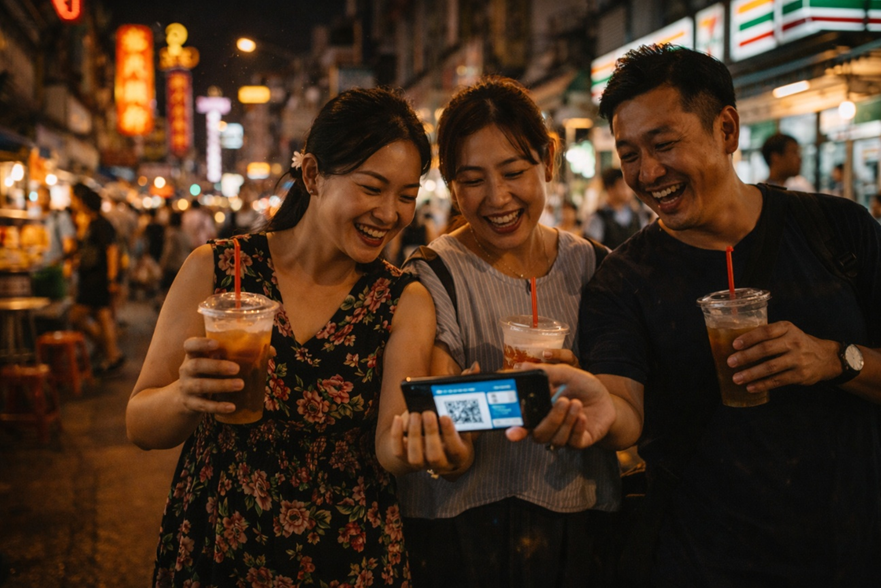
移动支付的普及、华语交流的便利、整体包容友善的氛围,让异国不再显得遥远。既保留了足够的新鲜感,又没有过度的陌生压力。这种恰到好处的“距离感”,让旅行像一次短暂的角色切换,人们可以在其中尝试另一种自己。
The widespread use of mobile payments, the convenience of Chinese-language communication, and an overall inclusive and friendly atmosphere make a foreign country feel less distant. It retains enough novelty while avoiding overwhelming unfamiliarity. This just-right “sense of distance” makes travel feel like a temporary role switch, allowing people to try out another version of themselves.
也正因为如此,泰国在中国游客心中,并不仅仅是一个地理坐标,更像一个可以安心“放飞”的空间。
For this reason, Thailand is not merely a geographical destination in the minds of many Chinese travelers, but a space where they can safely “let go.”
◆ ◆ ◆ ◆
68万人次的背后
Behind 680,000 Travelers
◆ ◆ ◆ ◆
比情绪更直观的,是航线上的流动数字。
More tangible than emotion are the numbers flowing through flight routes.
泰国机场公司预计,2月13日至22日期间,中泰航线的旅客人数约为68万人,较去年春节同期增长8%。这不是一句口号,而是一段真实发生的往返。
Airports of Thailand estimates that between February 13 and 22, passenger traffic on China–Thailand routes will reach about 680,000, an 8% increase compared to the same period during last year’s Spring Festival. This is not a slogan, but a real exchange taking place.
春节本就是中国游客出行的高峰期,而在这个时间节点出现8%的增长,本身就说明了选择的方向。当家庭团聚与出境旅行重叠,当假期与航班时刻表交织,人们用机票完成了自己的投票。
The Spring Festival is already a peak travel season for Chinese tourists. An 8% increase at such a time speaks volumes about the direction of choice. When family reunions overlap with outbound travel, when holidays intersect with flight schedules, people cast their votes with plane tickets.

68万人次,意味着68万次出发与抵达。是登机口前的等待,是落地后的第一口热带空气,是朋友圈里那句轻描淡写的“到啦”。数字看似简单,却浓缩了信任与偏好。当一条航线持续升温,它所连接的不只是两地的机场,更是一次次被确认的旅行体验。
Six hundred eighty thousand passenger trips mean 680,000 departures and arrivals: the wait at the boarding gate, the first breath of tropical air upon landing, the casual “Arrived” posted on social media. The number may look simple, but it condenses trust and preference. When a flight route continues to heat up, it connects not only two airports, but also repeatedly confirmed travel experiences.
◆ ◆ ◆ ◆
热潮会退去,但口碑不会
Trends Fade, but Reputation Remains
◆ ◆ ◆ ◆
社交平台上的话题终究会更替,标签会被新的热点覆盖,统计数字也会在下一季度刷新。但真正留下来的,往往不是流量,而是体验。
Topics on social media will eventually be replaced, hashtags will be overtaken by new trends, and statistics will refresh next quarter. What truly remains, however, is not traffic, but experience.
“Thank You Thailand”之所以动人,并不在于统一的表达形式,而在于每一段经历都来自真实个体。镜头握在游客手中,评价也出自亲身感受。没有复杂的修辞,只有一次次具体的遇见。
What makes “Thank You Thailand” moving is not its uniform expression, but the fact that each story comes from a real individual. The camera is in the traveler’s hand, and the evaluation arises from firsthand experience. There is no ornate rhetoric—only concrete encounters.
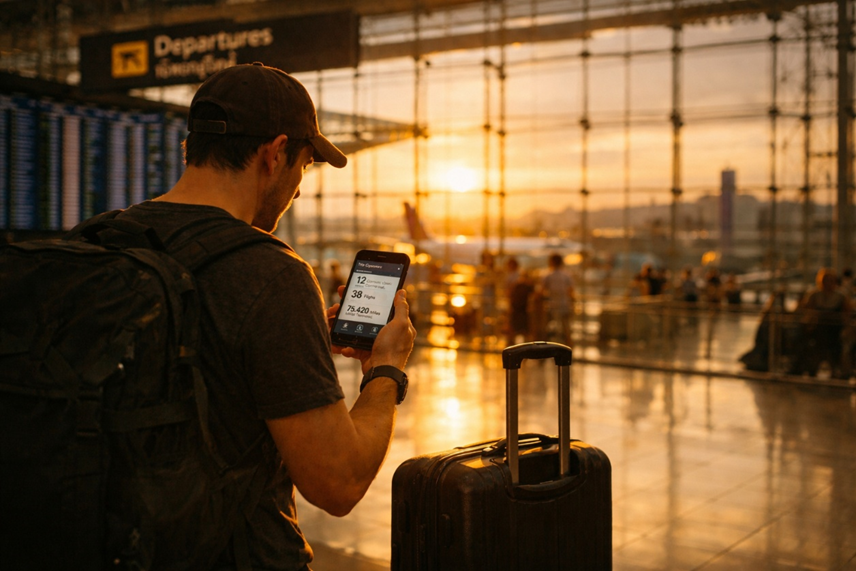
对一个旅游目的地而言,最好的宣传从来不是精心剪辑的广告片,而是旅人自发的分享;最有力量的名片,也不是宏大的口号,而是街头巷尾那一抹自然的笑容。
For a travel destination, the best publicity is never a carefully edited promotional video, but spontaneous sharing by travelers. The most powerful calling card is not a grand slogan, but a natural smile in the streets.
当感谢跨越语言与国界反复出现,它本身已经说明了一切。游客带走的是记忆,泰国留下的是信任。
When gratitude crosses languages and borders again and again, it speaks for itself. Travelers carry away memories; Thailand leaves behind trust.
而这份双向的奔赴,或许才是旅游最迷人的模样。
And perhaps this mutual journey toward one another is the most captivating form of travel.


 泰国 · 曼谷
 马来西亚 · 吉隆坡
 泰国 · 曼谷
 泰国 · 曼谷