春节不只是旅游,中国家庭正在马来西亚做一次重要判断
过去很长一段时间里,中国家庭的春节出境游,更像是一种奖励式消费:一年辛苦结束,找一个热闹、好玩、拍照好看的地方,完成一次短暂逃离。但近几年,这种逻辑正在悄然改变。春节仍然重要,却不再只是“玩一趟”,而逐渐演变成一次对未来生活的集中测试。
For decades, outbound Spring Festival travel for Chinese families resembled a form of reward consumption—a celebratory release after a year of hard work, marked by lively destinations, entertainment, and carefully curated photographs. In recent years, this logic has quietly but decisively shifted. The Spring Festival still matters, but it is no longer merely about “going somewhere.” It has increasingly become a real-world trial of what future life might look like.
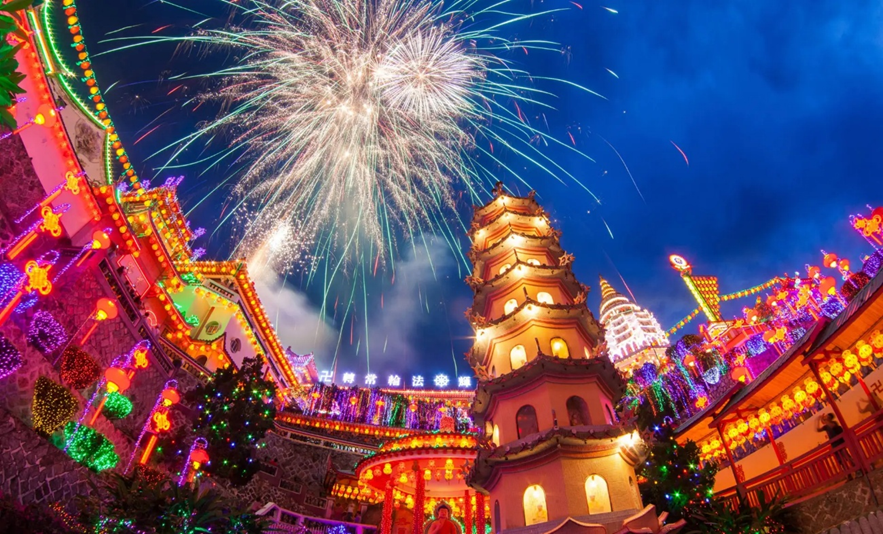
这一变化,在 2026 年春节前的出境数据中显露得尤为清晰。多项预测显示,农历新年期间,进入马来西亚的中国游客数量预计同比增长 30%—50%,增幅在主要出境目的地中位居前列。相比之下,美国、日本以及部分欧洲国家的游客量预计出现两位数回落。表面看是旅游热度的变化,背后却是一种更深层的选择逻辑正在发生转移。
This shift is clearly reflected in outbound travel data ahead of the 2026 Spring Festival. Forecasts suggest that the number of Chinese visitors to Malaysia during the Lunar New Year period will rise by 30% to 50% year-on-year, placing it among the fastest-growing outbound destinations. In contrast, visitor numbers to the United States, Japan, and parts of Europe are expected to decline by double digits. What appears to be a simple redistribution of tourist flows is, in fact, evidence of a deeper recalibration in how Chinese families evaluate overseas destinations.
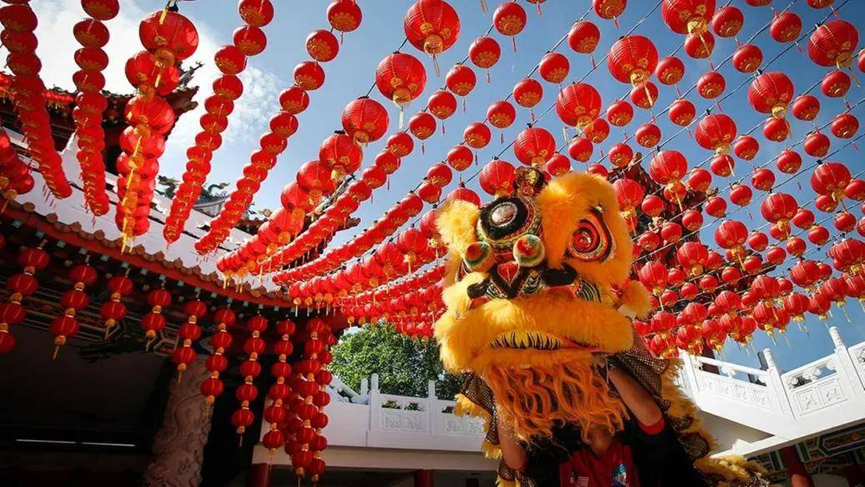
春节之所以成为这种变化的放大器,原因并不复杂。它是全年少有的、可以让家庭成员同时腾出时间的窗口。去年春节期间,约有 380 万中国公民选择出境旅行,其中家庭出行的比例持续上升。当出行不再是个人行为,而是多代人共同参与的决定时,评估标准自然发生变化:安全是否可控、生活是否便利、语言和文化是否存在长期摩擦,甚至孩子的教育环境、社区成熟度,都会被纳入考量。
The Spring Festival magnifies this change for a simple reason: it is one of the few moments in the year when entire families—often spanning multiple generations—can travel together. During last year’s holiday, roughly 3.8 million Chinese citizens went abroad, with family travel continuing to gain share. Once travel becomes a collective household decision rather than an individual choice, priorities shift accordingly. Safety, everyday convenience, linguistic and cultural friction, children’s education, and the maturity of local communities all enter the equation.
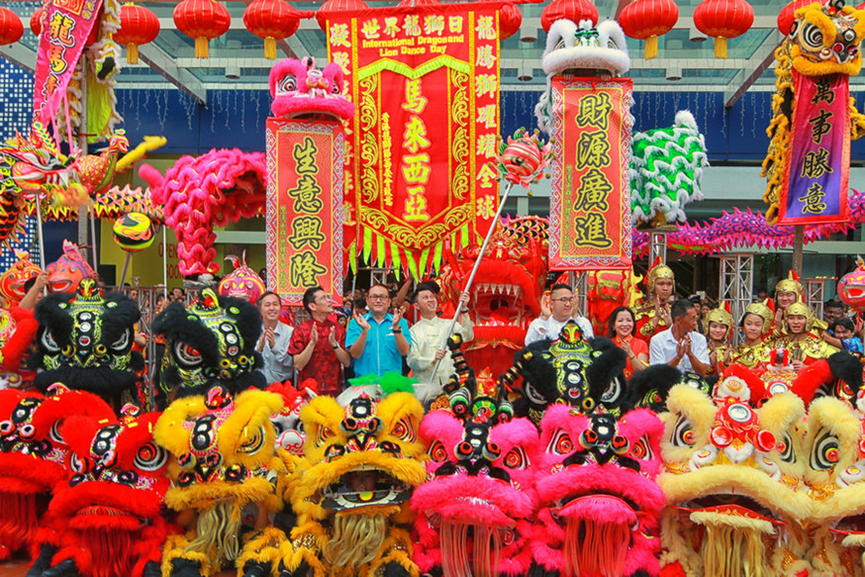
正是在这样的背景下,春节出境游出现了明显的分化。数据显示,马来西亚成为春节期间中国游客增长最显著的目的地之一;迪拜、新加坡、泰国等地同样保持增长,但节奏与规模已被拉开差距。而传统意义上的远程热门目的地,则在成本、飞行时间与不确定性叠加之下,逐渐失去春节这种“高密度假期”的优势。
It is under these conditions that Spring Festival travel has begun to diverge sharply. Malaysia has emerged as one of the most rapidly growing destinations for Chinese visitors, while Dubai, Singapore, and Thailand continue to expand at a more moderate pace. Traditional long-haul destinations, burdened by higher costs, lengthy flights, and rising uncertainty, are gradually losing their appeal during a holiday defined by time constraints and family density.
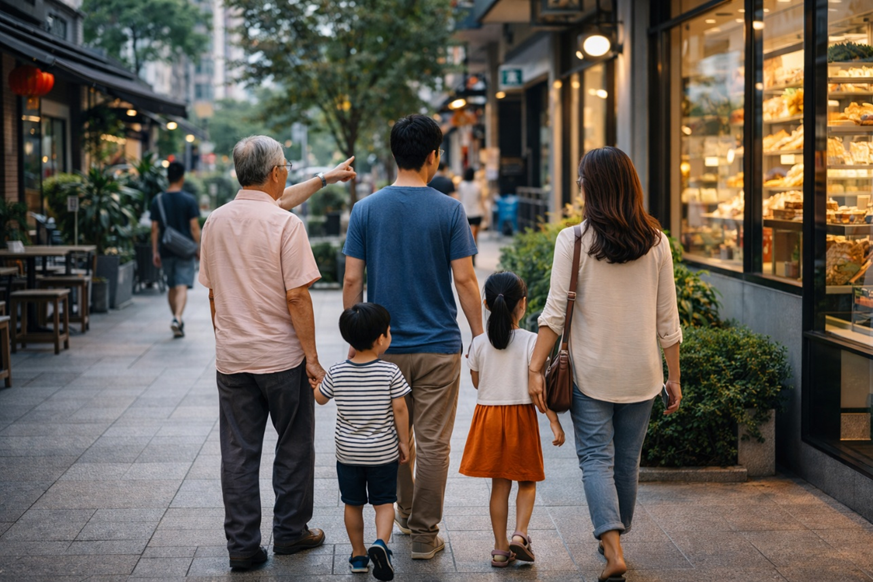
马来西亚被反复选择,并不是因为某一个单点条件,而是整体匹配度更高。免签政策让决策门槛显著降低,从中国多数城市出发,约四小时的飞行时间使行程安排更加从容;中英双语环境,让家庭在沟通、消费与日常生活中几乎不存在适应障碍。更重要的是,这种环境并非为短期游客“临时搭建”,而是长期运行中的常态,这让春节期间的体验更接近真实生活。
Malaysia’s appeal lies not in any single advantage, but in its overall fit. Visa-free entry lowers the psychological and logistical threshold for travel. Flight times of roughly four hours from most Chinese cities allow for flexible itineraries. A bilingual Chinese-English environment minimizes friction in communication, consumption, and daily routines. Crucially, this is not an environment constructed for short-term visitors—it is the country’s everyday operating reality, making the Spring Festival experience a credible preview of long-term living.
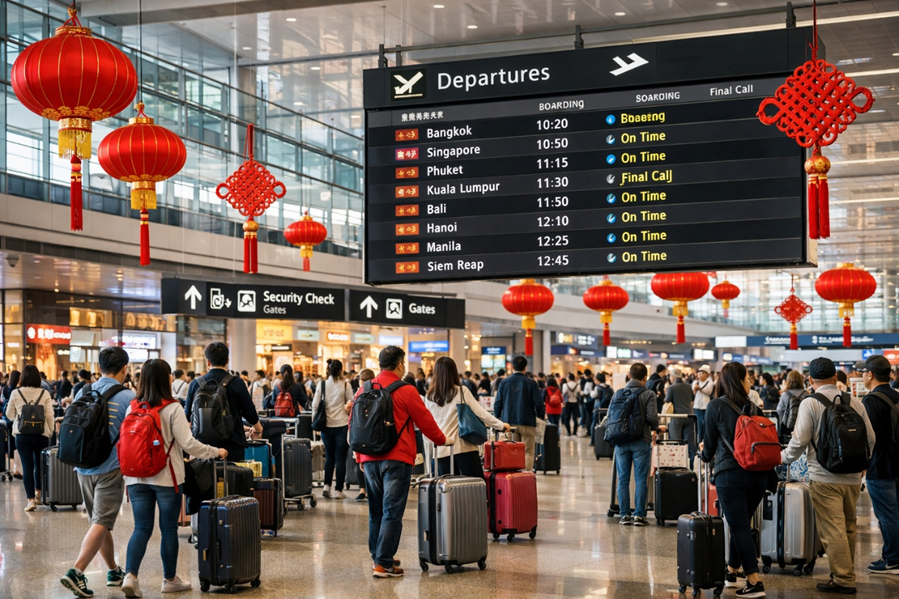
这种“真实感”,正在影响更长期的决策。中国公民不仅是马来西亚最重要的国际游客来源,同时也是当地外国房地产投资的主力群体,在“我的第二家园(MM2H)”长期居留签证计划中占比达到 57%。假期中的走访、咨询与看房,很少当场完成交易,却常常成为之后数月行动的起点。旅游与居住、投资之间的界限,正在被不断模糊。
That sense of realism is shaping longer-term decisions. Chinese nationals are not only Malaysia’s largest source of international tourists, but also one of its most influential groups of foreign property investors. Under the Malaysia My Second Home (MM2H) long-term residency program, Chinese participants account for 57% of applicants. Holiday visits, consultations, and property viewings rarely lead to immediate transactions, yet they often mark the beginning of concrete actions months later. The boundaries between tourism, residence, and investment are steadily dissolving.

当观察进一步聚焦到城市层面,吉隆坡成为这种变化的集中体现。Trip.com 集团 2026 年第一季度的预订数据显示,吉隆坡跻身全球旅行者最向往城市前列;从实际到访量看,这座城市每年接待国际游客约 1730 万人次,位居全球前十,是东南亚重要的国际旅游枢纽。更值得注意的是,它并非只在春节短暂升温,而是在不同榜单、不同统计口径中持续出现,这种稳定性使其逐渐从“热门目的地”转向“可长期评估的城市”。
At the city level, Kuala Lumpur stands as the clearest expression of this trend. According to Trip.com Group’s booking data for the first quarter of 2026, Kuala Lumpur ranks among the world’s most desired cities for travelers. The city receives approximately 17.3 million international visitors each year, placing it in the global top ten and firmly establishing it as a Southeast Asian hub. More importantly, its appeal is not confined to a seasonal surge; it appears consistently across rankings and datasets, gradually transitioning from a “hot destination” to a city worthy of sustained consideration.

支撑这种稳定性的,是城市本身的运行底盘。马来西亚统计局数据显示,近两年吉隆坡每年接待本地游客约 2700 万人次,在全国范围内长期保持高位。稳定而庞大的国内需求,使城市的商业、交通和公共服务系统始终处于高效运转状态,也让国际游客的集中涌入不至于破坏日常秩序。这种内外客源共同支撑的结构,为城市提供了更强的抗波动能力。
This consistency is underpinned by the city’s structural resilience. Data from Malaysia’s Department of Statistics shows that Kuala Lumpur has attracted around 27 million domestic visitors annually over the past two years, maintaining a leading position nationwide. Strong domestic demand keeps commercial activity, transport systems, and public services operating smoothly, ensuring that inflows of international visitors do not overwhelm daily life. This dual support—from both domestic and international sources—gives the city a rare capacity to absorb volatility.
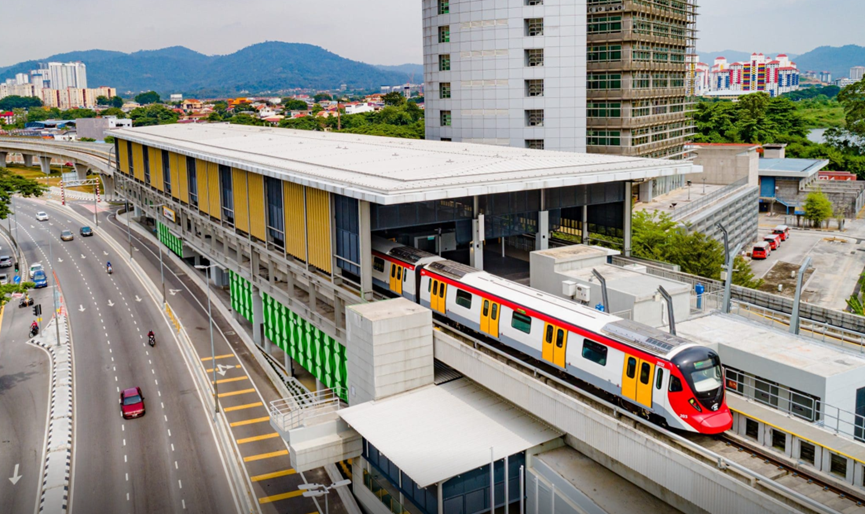
而在生活层面,吉隆坡的吸引力并不依赖刻意打造的“网红景点”。清真寺、华人街区与印度文化元素在城市中自然共存,不同宗教、饮食与生活方式在日常中高度交织,却并不冲突。对外来家庭而言,这种多元并不需要额外学习成本,反而降低了长期停留的不适感,也更容易被纳入春节这种全家同行的观察场景中。
In everyday life, Kuala Lumpur’s attraction does not depend on manufactured spectacles or viral landmarks. Mosques, Chinese districts, and Indian cultural influences coexist organically. Religions, cuisines, and lifestyles intersect seamlessly, without tension. For foreign families, this diversity requires little adjustment and often reduces the psychological cost of long-term stays—making it especially compatible with the observational nature of Spring Festival travel.
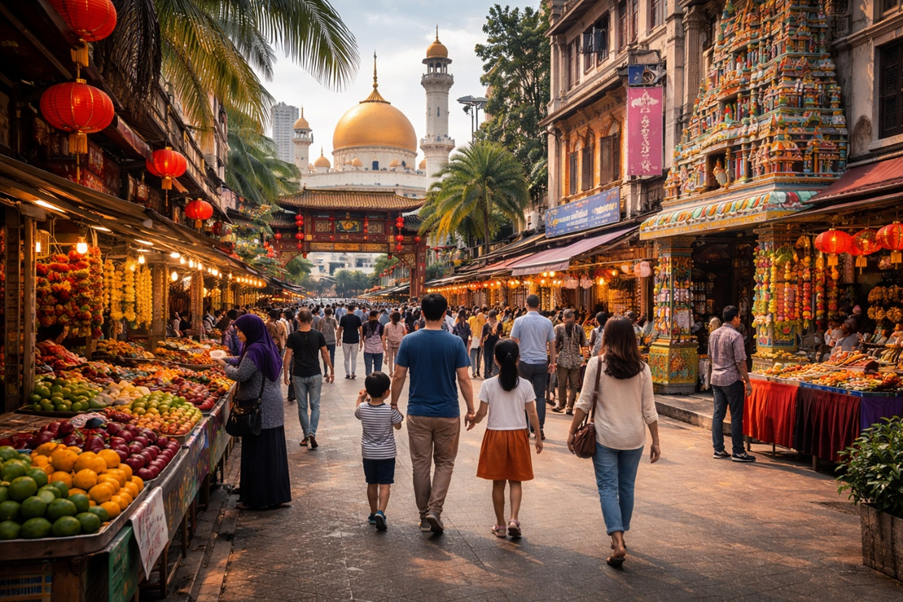
当春节假期结束,真正的决策往往才刚刚开始。对越来越多中国家庭而言,这趟出行的意义,早已超越了假期本身。它更像一次现实条件下的压力测试——如果一座城市能在春节这种高密度、全家参与的场景中经受住考验,那么它进入长期选择清单,便只是时间问题。
When the holiday ends, the real decisions often begin. For a growing number of Chinese families, the journey now functions as a stress test conducted under realistic conditions. If a city can withstand the pressures of a high-density, family-centered Spring Festival, its entry onto a long-term shortlist becomes almost inevitable.
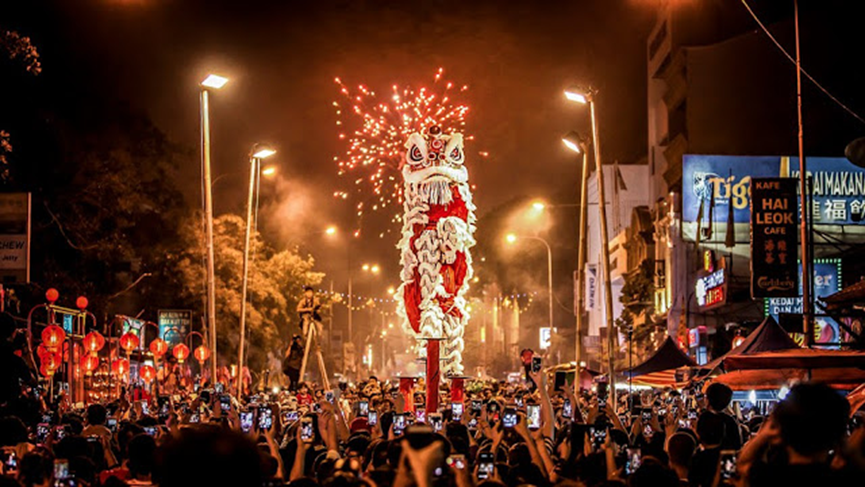
从这个角度看,马来西亚与吉隆坡的走热,并不是一场偶然的流量事件,而是一种更理性、更长期的选择方式,正在通过春节这个窗口,被逐步放大。
Seen in this light, the rising prominence of Malaysia and Kuala Lumpur is not a fleeting surge of attention, but the visible outcome of a more rational, long-term decision-making process—one that is increasingly taking shape through the unique lens of the Spring Festival.


 泰国 · 曼谷
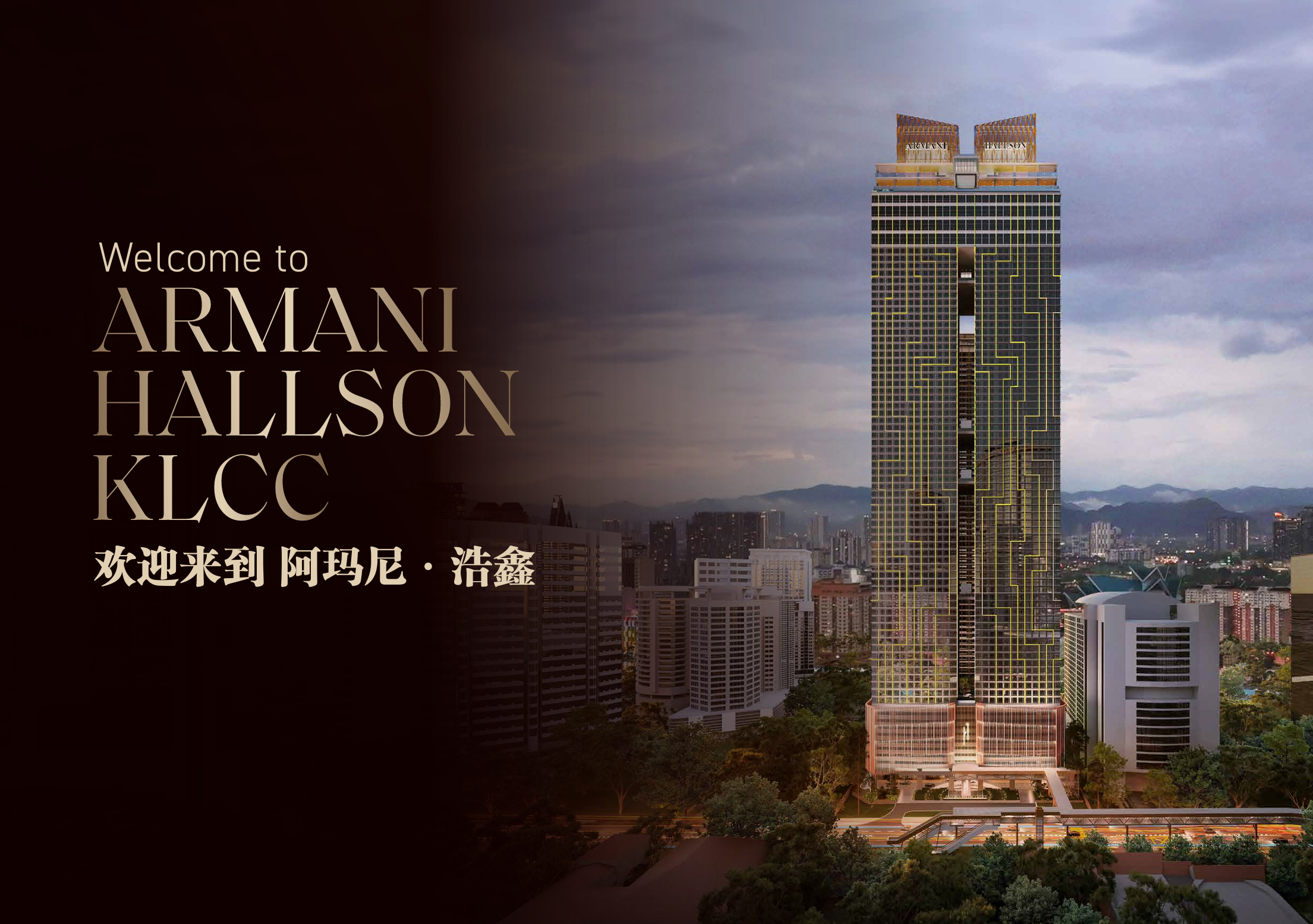 马来西亚 · 吉隆坡
 泰国 · 曼谷
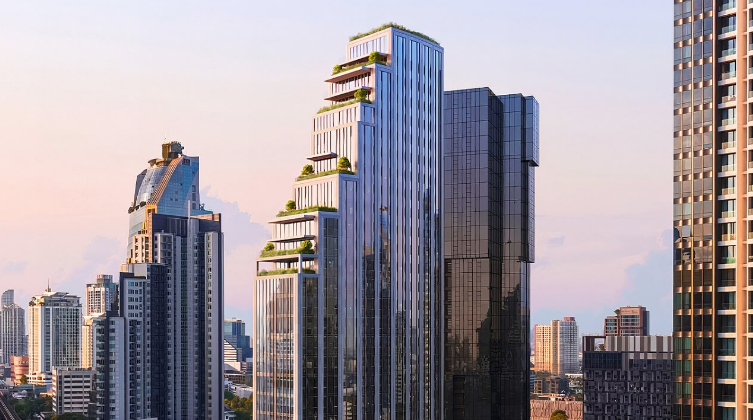 泰国 · 曼谷