人民网转发纪录片“泰”酷辣:中国制造刚走上泰国街头,评论区已经先一步适应
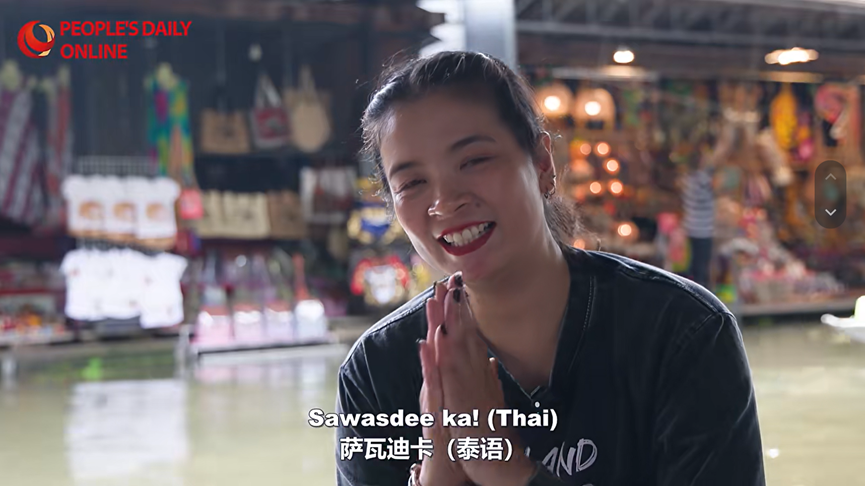
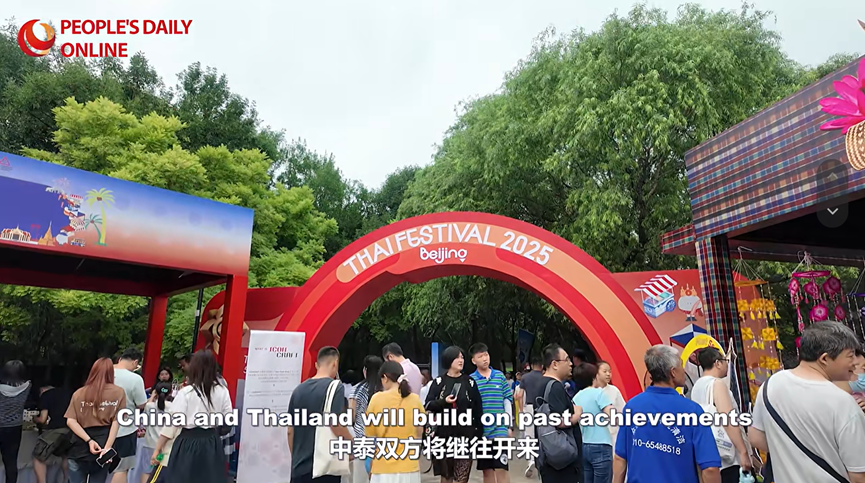
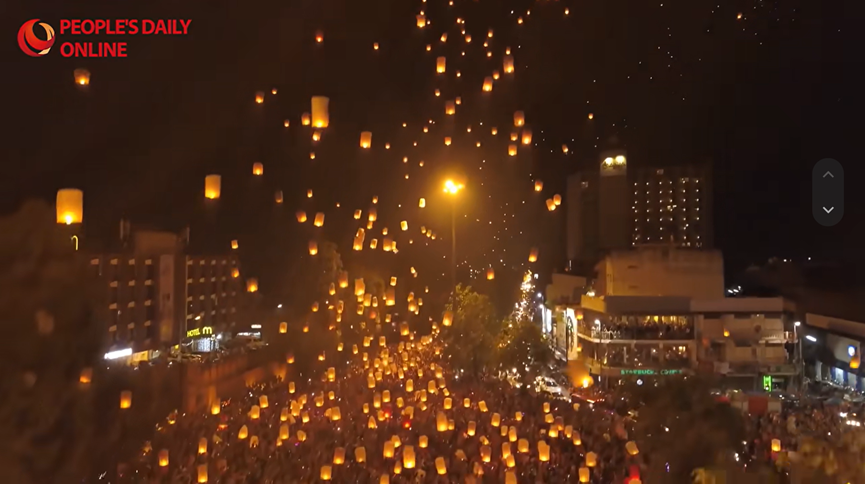
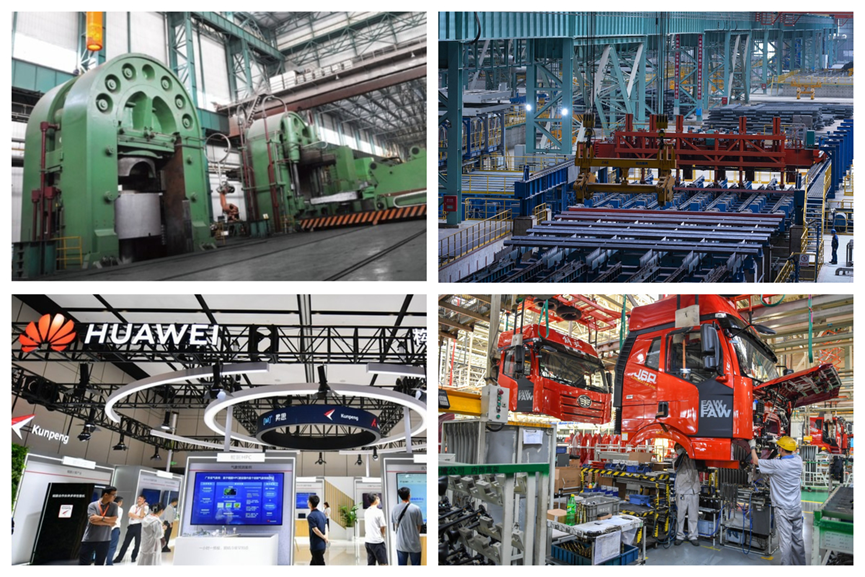
这两天,人民网转发的一条纪录片在不少人的时间线上出现,名字很直接——“泰”酷辣。镜头里是熟悉的泰国:街巷、夜市、海边、寺庙,也是很多人心中那个适合度假的微笑之国。但再往下看,会发现画面里多了些以前不那么显眼的细节——穿行在街头的新能源车,日常使用的中国手机和电子产品,已经被当地人习以为常地放进生活里。
Over the past couple of days, a documentary reposted by People’s Daily has appeared on many people’s feeds. Its title is straightforward—“Thai” Cool & Spicy. The footage presents a familiar Thailand: streets and alleys, night markets, beaches, temples—the smiling country many associate with vacations. But as the film goes on, subtle details begin to stand out—new energy vehicles moving through the streets, Chinese smartphones and electronic products used in everyday life, already seamlessly integrated into local routines.

纪录片本身不算喧哗,更像是在记录一种正在发生、却未必被所有人认真意识到的变化。
The documentary itself is not loud or sensational. It feels more like a quiet record of a change that is already happening, but not necessarily something everyone has consciously noticed.
◆ ◆ ◆ ◆
评论区里的共识
A Shared Understanding in the Comment Section
◆ ◆ ◆ ◆
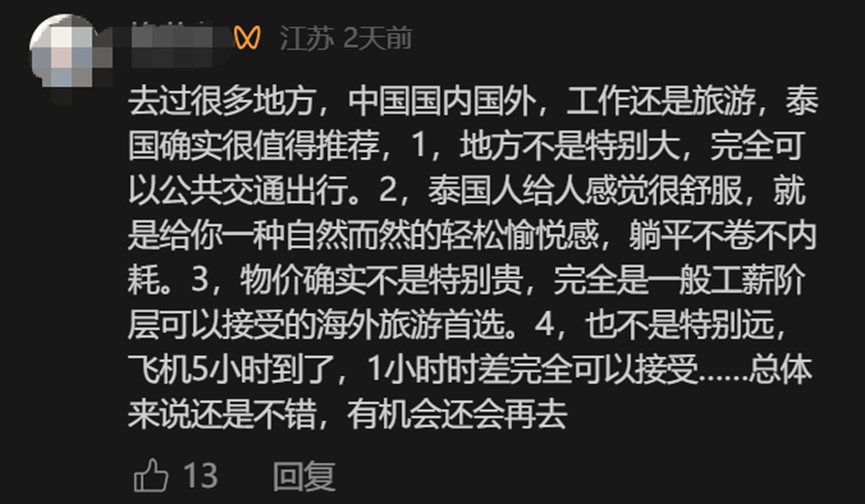
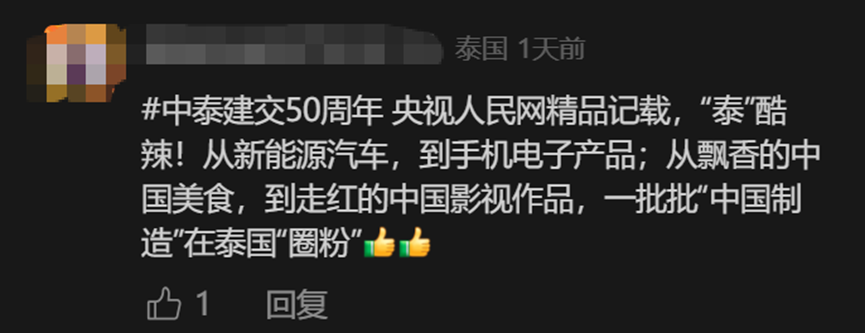
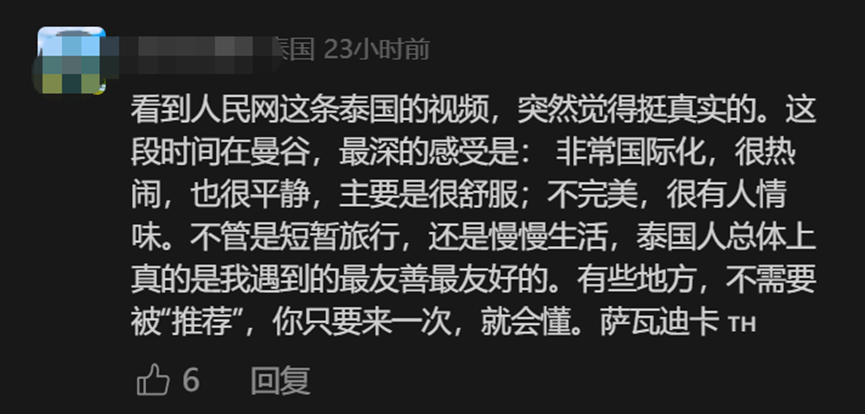
比起纪录片本身,真正让人停下来读的,反而是下面那一长串评论。有人说这是“第一次在官媒里看到这么多熟悉的生活场景”,也有人直接分享自己的经历:在泰国待了几年,街头的中国品牌早就不新鲜了,吃饭、出行、通讯,全都已经融进日常。
Compared with the documentary, what truly makes people pause is the long string of comments beneath it. Some say this is the first time they’ve seen so many familiar daily-life scenes in an official media piece. Others share personal experiences: having lived in Thailand for years, Chinese brands on the streets are nothing new—food, transportation, communication, all long embedded in daily life.
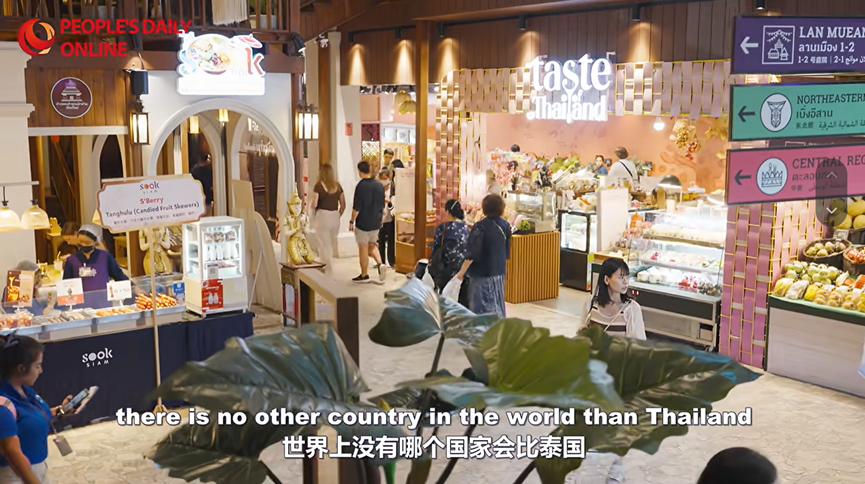
还有一些明显是常驻在泰国的人,语气很平静,没有滤镜,也不煽情,只是在说一个事实——这里的生活节奏、安全感、人与人之间的距离感,比很多人想象中要舒服得多。评论区不像是在讨论一部纪录片,更像是在互相确认:原来你看到的,和我经历的,是同一个泰国。
There are also comments clearly from long-term residents in Thailand. Their tone is calm, without filters or emotional exaggeration. They are simply stating a fact: the pace of life, sense of safety, and interpersonal distance here are far more comfortable than many imagine. The comment section feels less like a discussion of a documentary and more like a mutual confirmation—what you’re seeing is the same Thailand I’ve experienced.
◆ ◆ ◆ ◆
关于安全的真实体验
Real Experiences Around Safety
◆ ◆ ◆ ◆
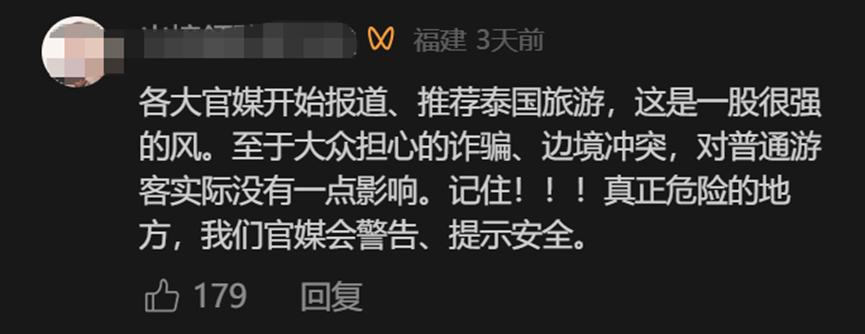
翻评论的时候,会发现一个很有意思的现象:很多人关心的那些“风险”,更多是停留在没来之前的想象里。诈骗、混乱、不安全,这些词在网络上被反复提起,但在真正长期待过的人嘴里,反而显得没那么重要。
Scrolling through the comments reveals an interesting pattern. Many of the “risks” people worry about tend to exist more in imagination before arriving. Fraud, chaos, insecurity—these words circulate widely online, but among those who have actually lived there long-term, they seem far less significant.
有人直说,只要不去明显被标注为高风险的地方,日常生活几乎感受不到紧张感;也有人提到,本地的预警机制其实很明确,真正需要避开的区域,官方和当地人都会提前提醒。对大多数正常工作、生活的人来说,泰国更像是一个规则清晰、边界感明确的地方,而不是情绪渲染里的“危险之地”。
Some say plainly that as long as you avoid clearly marked high-risk areas, daily life rarely feels tense. Others point out that local warning systems are quite clear, and areas that truly need to be avoided are communicated in advance by both authorities and locals. For most people working and living normally, Thailand feels more like a place with clear rules and boundaries, rather than the “dangerous land” shaped by emotional narratives.
◆ ◆ ◆ ◆
当中国制造变成背景
When Chinese Manufacturing Becomes the Background
◆ ◆ ◆ ◆
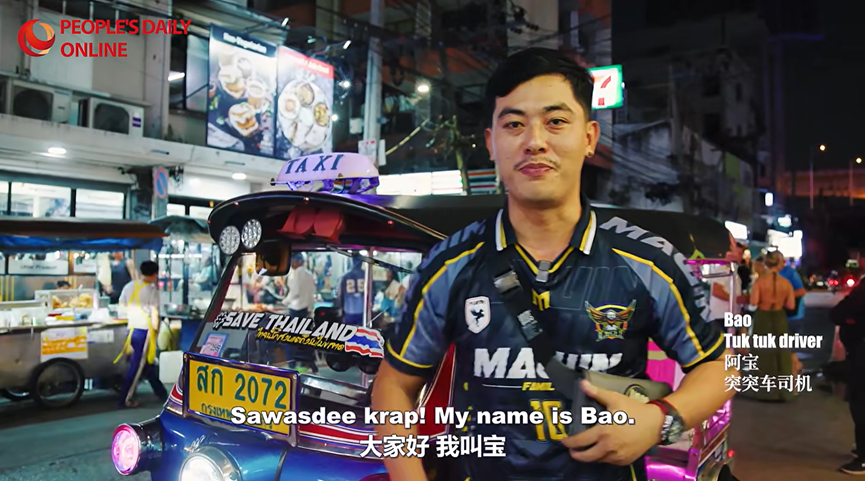
纪录片里有一个很容易被忽略的细节:那些穿梭在街头的,不只是游客坐着体验的三轮车,还有已经融入通勤系统的新能源车。它们不再被单独拿出来介绍“来自哪里”,而是和城市本身混在了一起。
One easily overlooked detail in the documentary is that the vehicles moving through the streets are not just tuk-tuks for tourists, but new energy vehicles already integrated into daily commuting systems. They are no longer introduced separately as products “from somewhere,” but blend into the city itself.
对当地人来说,中国制造并不是突然出现的新鲜事物,而是慢慢进入生活、被反复使用、被验证过可靠性的选择。从手机到出行工具,从零售到基础设施,这种存在感并不张扬,却足够稳定。也正因为如此,评论区里很少有人讨论“接受不接受”,更多是在讨论“已经习惯”。
For locals, Chinese manufacturing is not a sudden novelty. It has gradually entered daily life, been repeatedly used, and proven reliable. From phones to transportation, from retail to infrastructure, its presence is understated but stable. That may be why few comments debate whether it is “accepted.” Most simply say they are already used to it.
◆ ◆ ◆ ◆
工厂开始长期运转
Factories Begin Long-Term Operation
◆ ◆ ◆ ◆
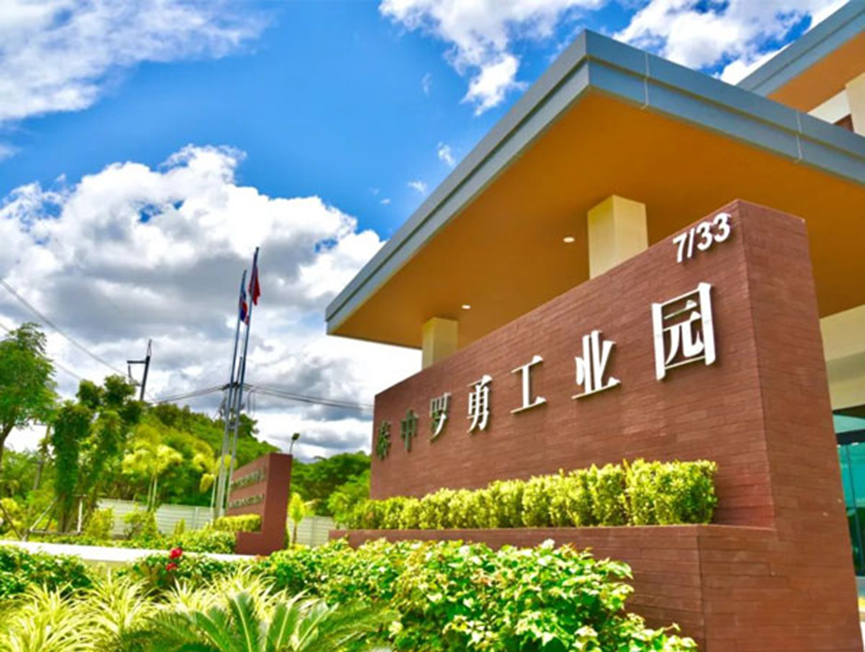
纪录片真正把视角往里收,是走进罗勇的工厂那一刻。这里不再是宏观叙事里的“海外布局”,而是具体到每天的工作流程:质量标准、产线节奏、技术讨论,以及中泰员工之间已经形成的默契。有人负责标准,有人负责落地,语言不完全一样,但配合却越来越顺。
The documentary truly narrows its focus when it enters the factories in Rayong. This is no longer the abstract notion of an “overseas layout,” but the specifics of daily operations: quality standards, production rhythms, technical discussions, and the growing tacit understanding between Chinese and Thai employees. Some handle standards, others execution. Languages may differ, but coordination becomes smoother.
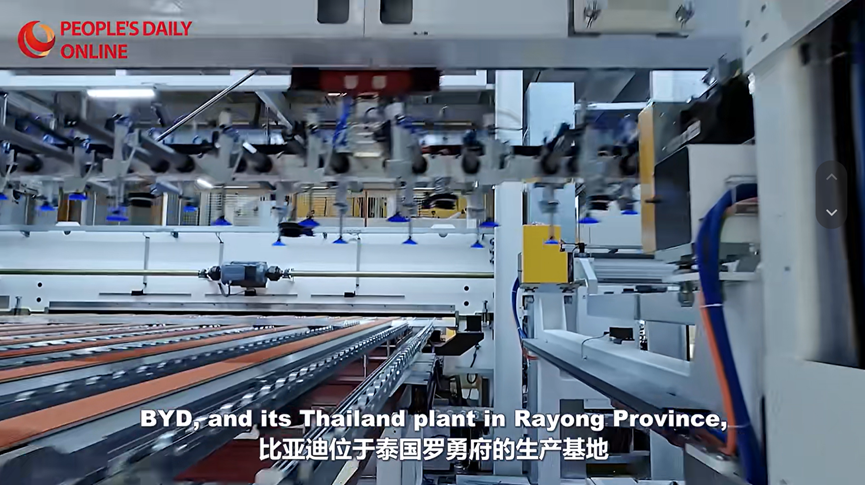
评论区里也有人提到这一点——真正决定一家企业能不能在当地站住脚的,不是口号,而是能不能长期运转、持续扩产。而当年产能、出口国家这些数字被轻描淡写地说出来时,更像是在说明一件事:这已经不是试水阶段,而是一个准备长期存在的工厂。
The comment section echoes this point. What determines whether a company can truly take root locally is not slogans, but whether it can operate long-term and continue expanding. When annual capacity and export destinations are mentioned almost casually, it signals something clear: this is no longer a trial phase, but a factory intended to exist for the long run.
◆ ◆ ◆ ◆
人慢慢住下来
People Gradually Settle Down
◆ ◆ ◆ ◆
工厂一旦稳定运转,变化最先体现在人的身上。评论区里有不少声音,其实已经跳出了“参观”和“短住”的视角——他们谈的是长期外派的状态:在泰国工作一两年,节奏慢慢适应下来,生活半径也开始固定。
Once factories stabilize, the most immediate changes appear in people’s lives. Many voices in the comments have already moved beyond “visits” or “short stays,” speaking instead about long-term assignments—working in Thailand for one or two years, gradually adapting to the pace, and establishing a fixed living radius.
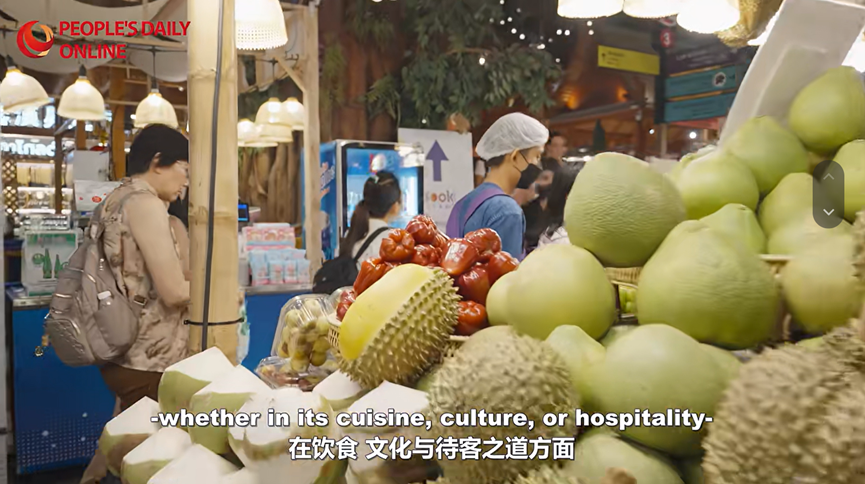
对这些人来说,外派不再是临时任务,而是一段需要被认真对待的生活阶段。上下班路线、周末去哪吃饭、住得方不方便,都会变成真实且反复出现的问题。也正是在这个阶段,城市的角色开始发生变化:不只是承载产线,更开始承载人的日常。
For them, overseas assignments are no longer temporary tasks, but life stages that need to be taken seriously. Commute routes, weekend dining options, housing convenience—these become real, recurring concerns. At this stage, the city’s role begins to shift. It is no longer just a container for production lines, but a carrier of everyday life.
◆ ◆ ◆ ◆
罗勇的现实位置
Rayong’s Practical Position
◆ ◆ ◆ ◆
当话题从工厂转向生活,罗勇这个名字就越来越频繁地被提起。它不像曼谷那样被反复讨论,也不是游客第一时间会选择的城市,但在产业链里,它的位置却异常清晰——工厂密集、通勤可控、节奏务实。
As the discussion moves from factories to daily life, the name Rayong appears more frequently. It’s not as widely discussed as Bangkok, nor is it a top tourist destination, but within the industrial chain, its position is unmistakably clear—dense factories, manageable commutes, a pragmatic rhythm.
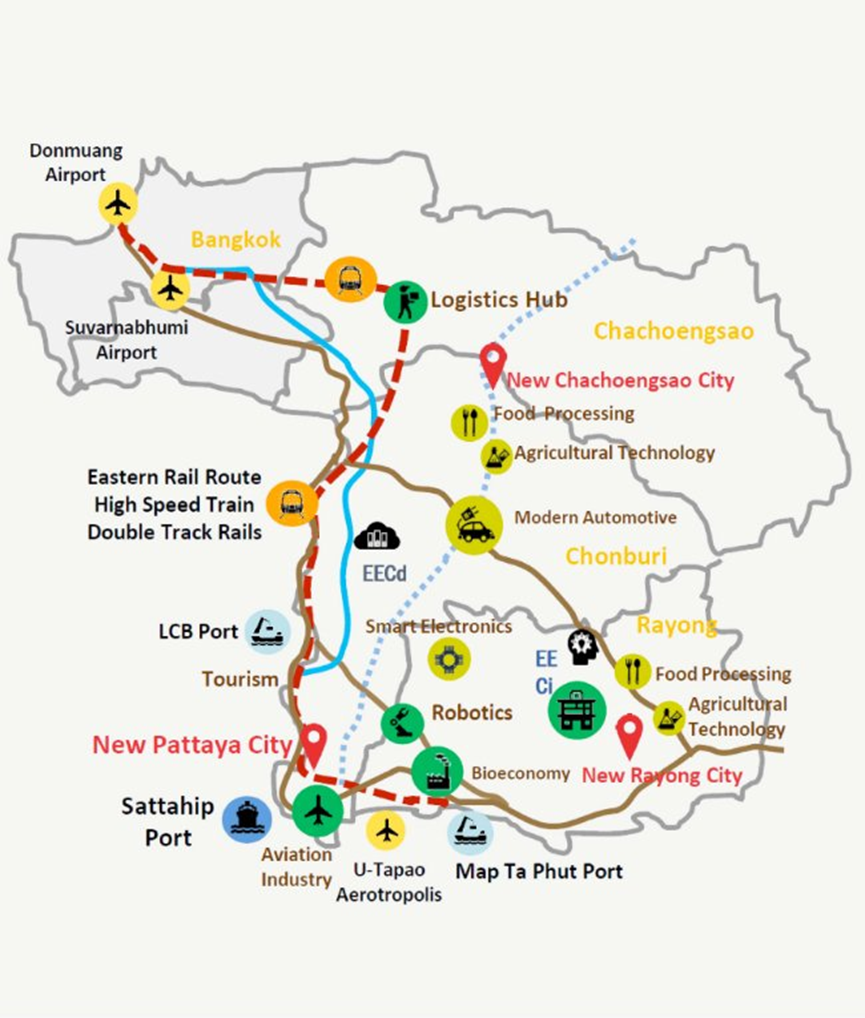
评论区里有在这里工作的人提到,真正适合长期驻扎的城市,往往不是最热闹的那个,而是能把工作和生活放在同一条线上、不需要每天耗在路上的地方。对外派人员来说,城市不需要标签感,只需要稳定、可预期,以及能承接日常的空间,而罗勇,恰好正在扮演这样的角色。
Some commenters working there note that cities suitable for long-term residence are often not the most lively ones, but those where work and life align on the same line, without hours lost to commuting. For expatriates, a city doesn’t need labels. It needs stability, predictability, and the capacity to support everyday routines—and Rayong is increasingly playing exactly that role.
◆ ◆ ◆ ◆
生活落点
Where Life Lands
◆ ◆ ◆ ◆
纪录片里反复提到“合作共赢”,但真正把这四个字落到现实里的,往往不是宏大的叙事,而是一个个很具体的问题:人来了,住在哪;工作稳定了,生活怎么安排。
The documentary repeatedly mentions “win-win cooperation,” but what truly grounds those words are not grand narratives, but specific questions: when people arrive, where do they live? When work stabilizes, how is life arranged?
当中资企业在罗勇形成规模,当外派高管、工程师不再是短暂停留,而是以年为单位规划行程时,居住本身就成了一种基础配置,而不再是将就的选择。
As Chinese-invested enterprises scale up in Rayong, and expatriate executives and engineers shift from short stays to year-long planning, housing becomes a basic configuration rather than a compromise.
也正因为这样的变化,这两年罗勇市中心开始出现一些明显“不一样”的居住项目。它们选址并不在偏远工业区,而是落在城市主干道与成熟商圈附近,一边能在十五分钟内通达比亚迪等工业园,一边又能把日常生活压缩在步行范围内。下班后不用再为吃饭、采购、健身绕路,生活半径被重新拉回到一个更合理的位置。
This shift has led to noticeable changes in Rayong’s city center over the past two years, with residential projects that feel distinctly different. They are not located in remote industrial zones, but along major roads near mature commercial areas—within 15 minutes of industrial parks like BYD, while keeping daily life within walking distance. After work, there’s no need to detour for meals, shopping, or fitness; life’s radius is pulled back to a more reasonable scale.
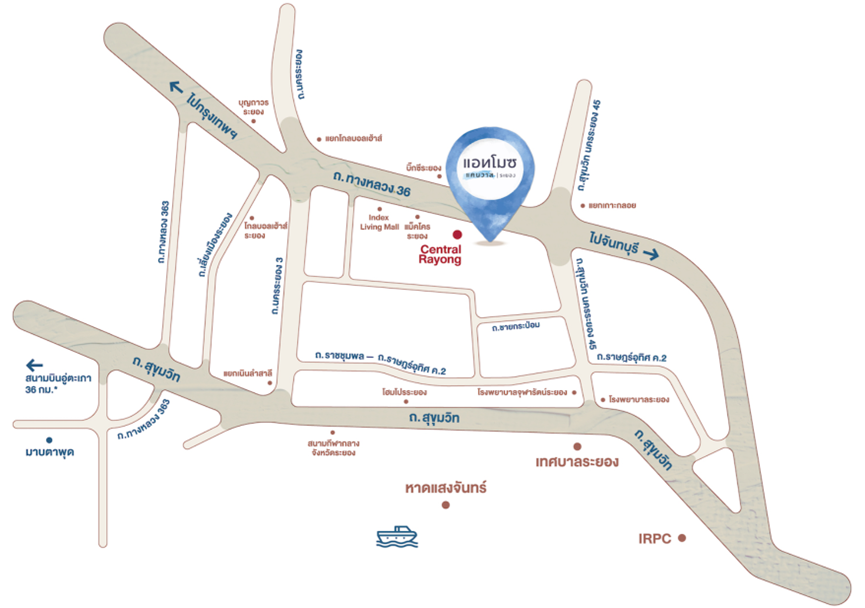
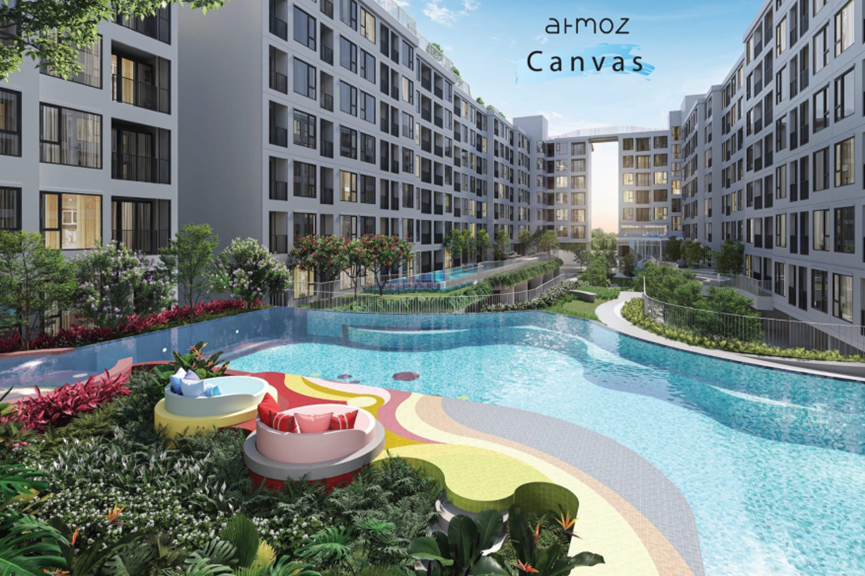
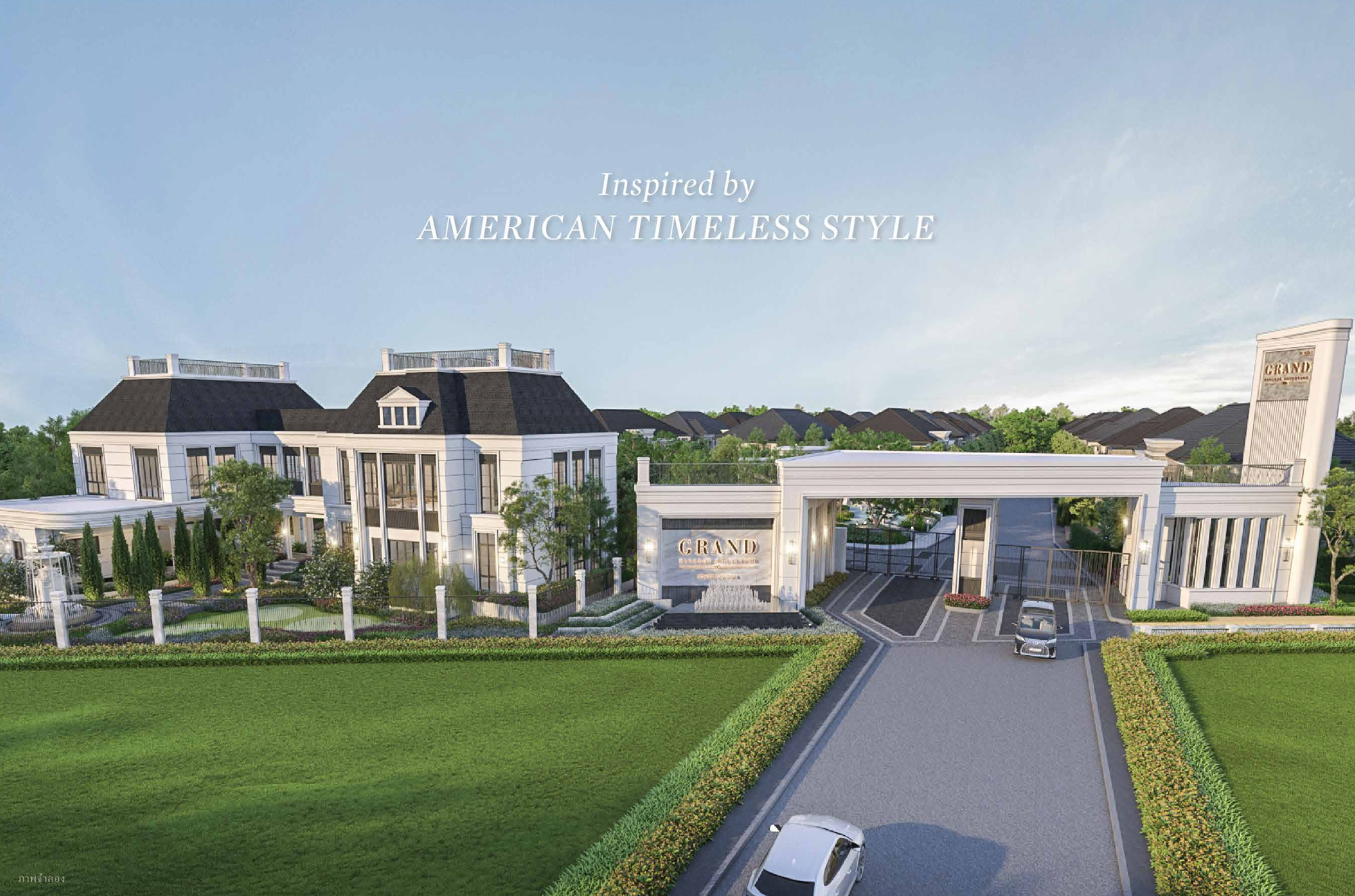
我们把目光转移到Atmoz Canvas Rayong莫奈蓝海湾公寓,本质上就是为这批长期驻扎的人准备的:低密度、公寓体量可控,拎包即可入住,周边就是尚泰百货这样的成熟商业,通勤和生活不需要反复权衡。它并不是为了短期炒作存在的,而是对应着一批已经在这里工作、并且明确“会住下来”的中资管理层与外派人员。
Atmoz Canvas Rayong, fits precisely into this context. It is designed for those planning to stay long-term: low-density, manageable scale, move-in-ready units, and mature retail like Central Mall nearby. Commuting and daily life no longer require trade-offs. It is not built for short-term speculation, but for a group of Chinese managers and expatriates who are already working here and clearly intend to stay.
当中国制造在泰国街头变得稀松平常,当工厂从新闻变成日常,城市也会随之发生变化。罗勇正在经历的,不只是产业落地,更是一种生活方式的成型。
As Chinese manufacturing becomes commonplace on Thai streets, and factories shift from news headlines to daily reality, cities inevitably change with them. What Rayong is experiencing is not just industrial localization, but the gradual formation of a new way of life.

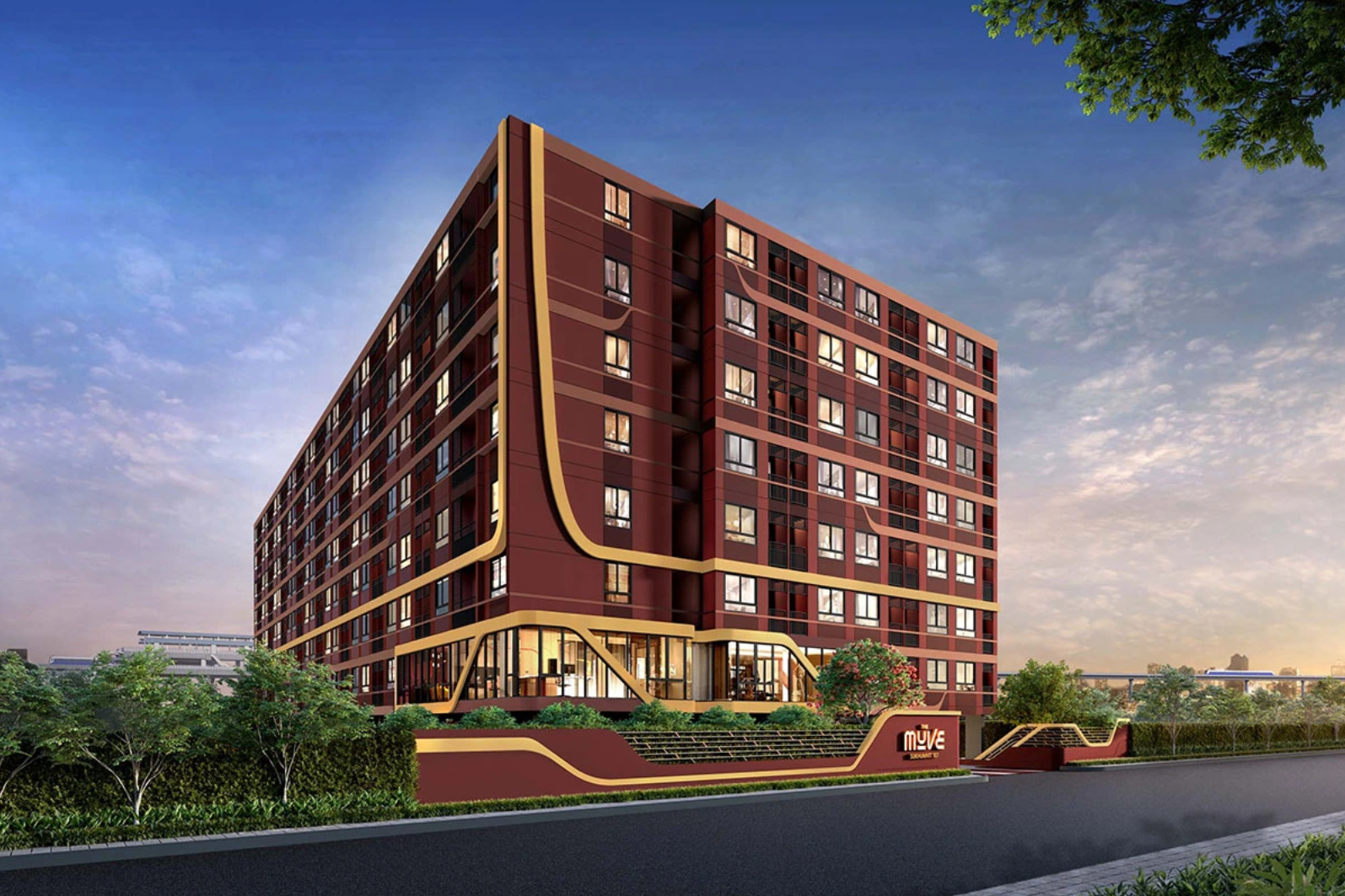
 泰国 · 曼谷
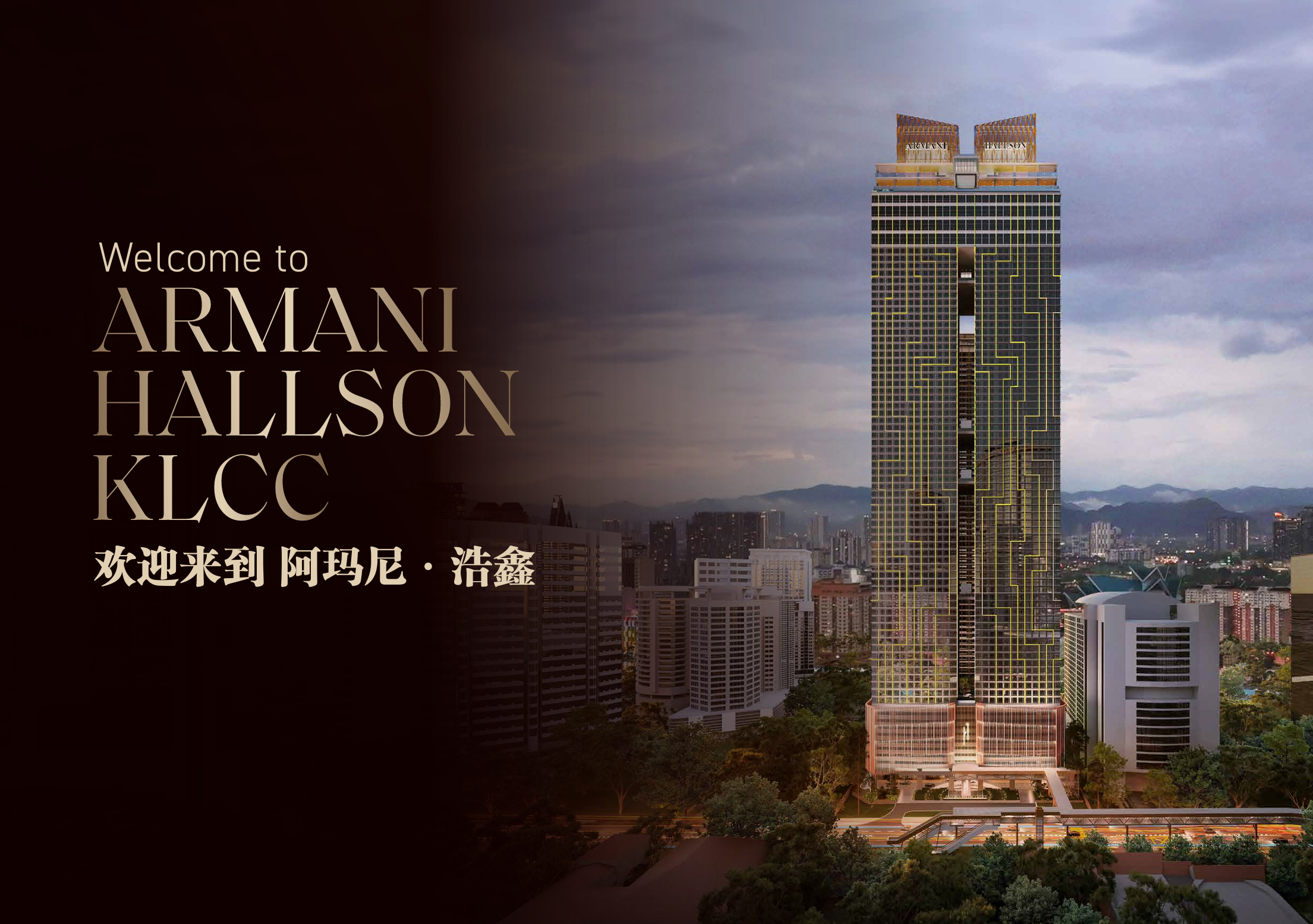 马来西亚 · 吉隆坡
 泰国 · 曼谷
 泰国 · 曼谷